
Small-scale fishers in Sula Islands to a Fairer Access to Fuel Subsidies
- March 27, 2026
by Karel Yerusa & Marwan Adam | translated by M. A. Indira Prameswari
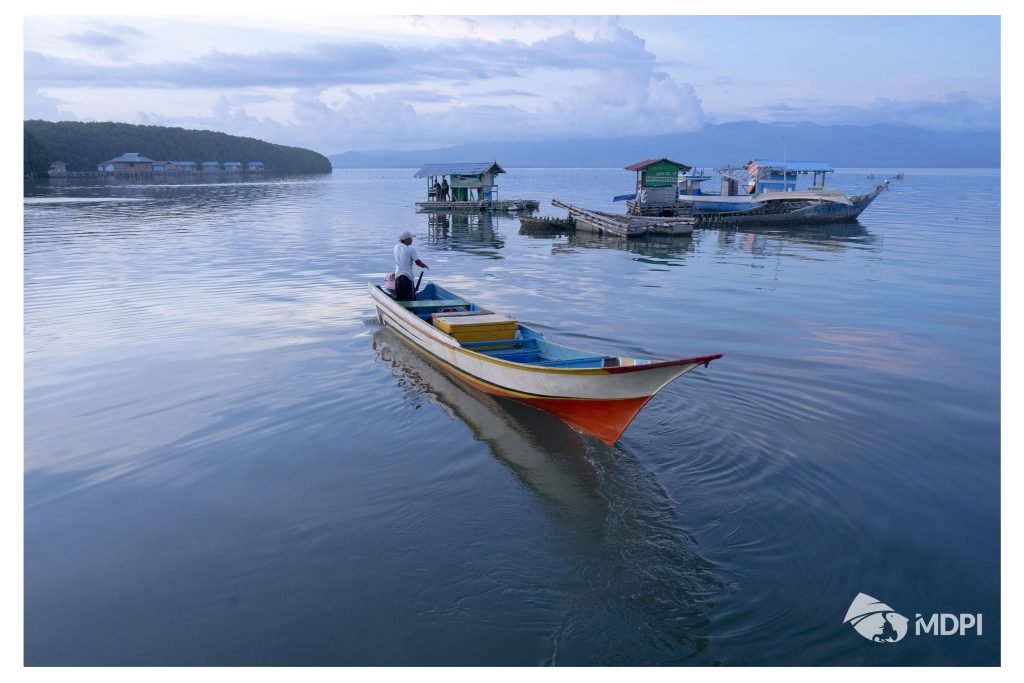
Bajo, Sula Islands – In the remote coastal reaches of the Sula Islands, Indonesia’s small-scale fishers operate far from the gleaming infrastructure of the country’s major ports. Relying on traditional bodi (small outrigger boats), local wisdom, and tight-knit community networks, these fishers are the backbone of the region’s maritime economy.
Yet, in a striking irony, their activities often remain invisible to national data systems.
Despite their lack of official recognition, research suggests that approximately 90 per cent of Indonesian vessels targeting tuna are small-scale boats with a capacity of less than five gross tonnes (Sunoko & Huang 2014). When these catches go undocumented, the true contribution of these fishers to food security and the national economy remains a statistical blind spot, leaving them marginalized in the policy-making process.
The Power of the Logbook
For MDPI, strengthening data systems at the local level is the first step toward inclusive fisheries management.
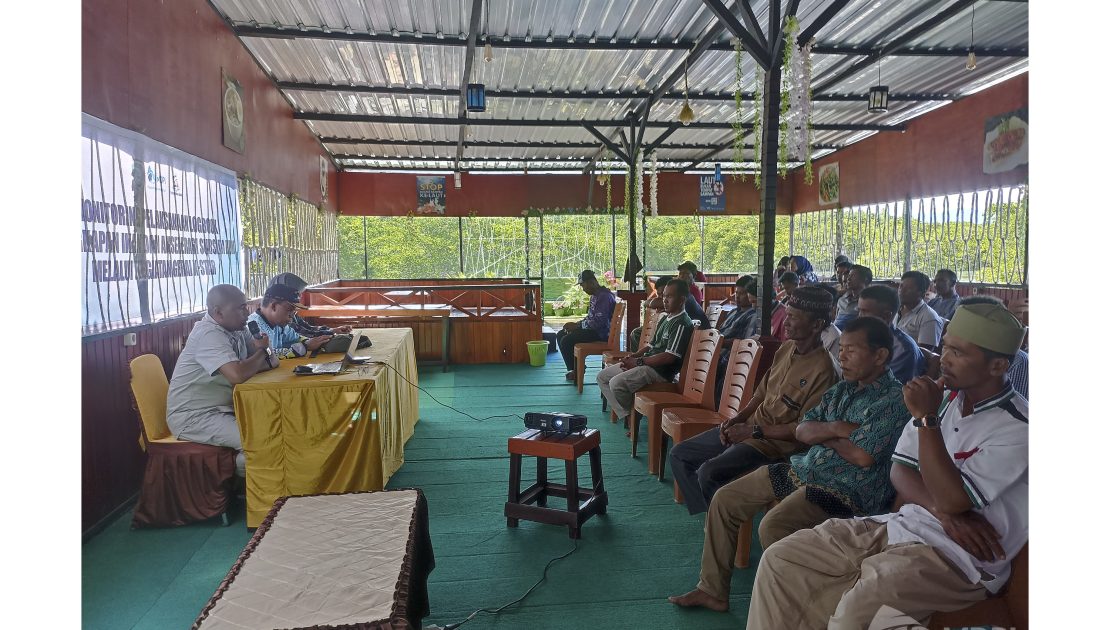
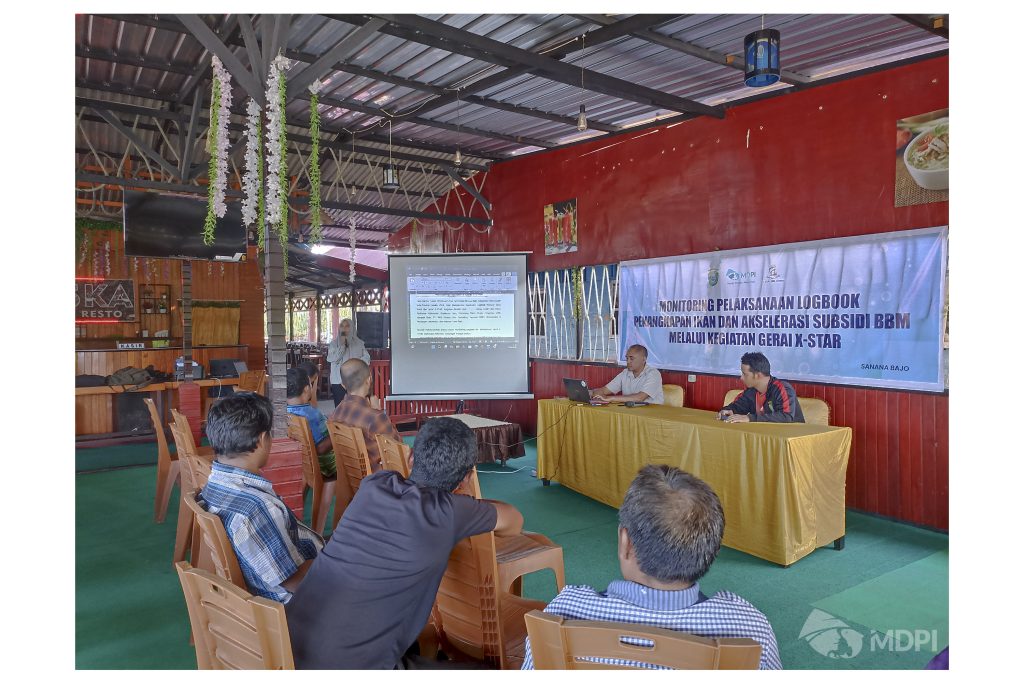
During a recent monitoring session in Bajo Village on February 27, 2026, stakeholders from the government, the private sector, and local cooperatives gathered to address this gap. The goal: to ensure that the reality on the water matches the data on the state’s dashboard.
Under a new collaborative framework, fishers are being trained to move beyond memory and toward formal record-keeping. The initiative includes:
-
Logbook Training: A joint effort between the Fisheries Department and village officials to standardise catch reporting.
-
Enumerator Support: Fisheries extension officers now act as data “valets,” ensuring that the information collected is consistent and valid.
-
National Integration: Data is funnelled through provincial channels to influence national catch quotas, giving small-scale fishers a voice in how resources are partitioned.
Cutting the Fuel Red Tape
Beyond the data deficit, Indonesia’s small-scale fishers face a perennial struggle to access the lifeblood of their industry: subsidised fuel.
Under the “Gerai X-STAR” initiative, MDPI and local authorities are working to dismantle the bureaucratic hurdles that prevent fishers from claiming the subsidies they are legally entitled to. In Bajo Village, the process has been streamlined to provide more than just fuel—it provides legal security.
A key breakthrough has been the extension of fuel recommendation letters. Previously valid for only one month, the Fisheries Department is now pushing to extend these to three months, significantly reducing the administrative burden on men who spend most of their lives at sea.
Furthermore, MDPI is providing a digital bridge for the “disconnected.” For 50 local fishers hampered by poor internet access, the foundation is facilitating the digital issuance of fuel recommendations, aiming for a turnaround time of less than one work week.
From Policy Receivers to Partners
The success in Bajo Village—where 50 fishers recently secured official fuel recommendations—demonstrates that effective fisheries management cannot be a top-down affair. It requires a “Blue Economy” approach where the private sector (such as PT KMS) and state entities (Pertamina) work in lockstep with civil society.
When catch data is accurately recorded and access to basic needs like fuel is secured, fishers cease to be mere subjects of government regulation. Instead, they become essential partners in safeguarding Indonesia’s marine biodiversity and ensuring the resilience of coastal communities.
As Indonesia looks toward a more sustainable maritime future, the lesson from Sula is clear: the path to conservation begins with recognition.
Reference
- Sunoko, R. & Huang, H.W., 2014. Indonesia tuna fisheries development and future strategy. Marine Policy, 43, pp.174–183.