
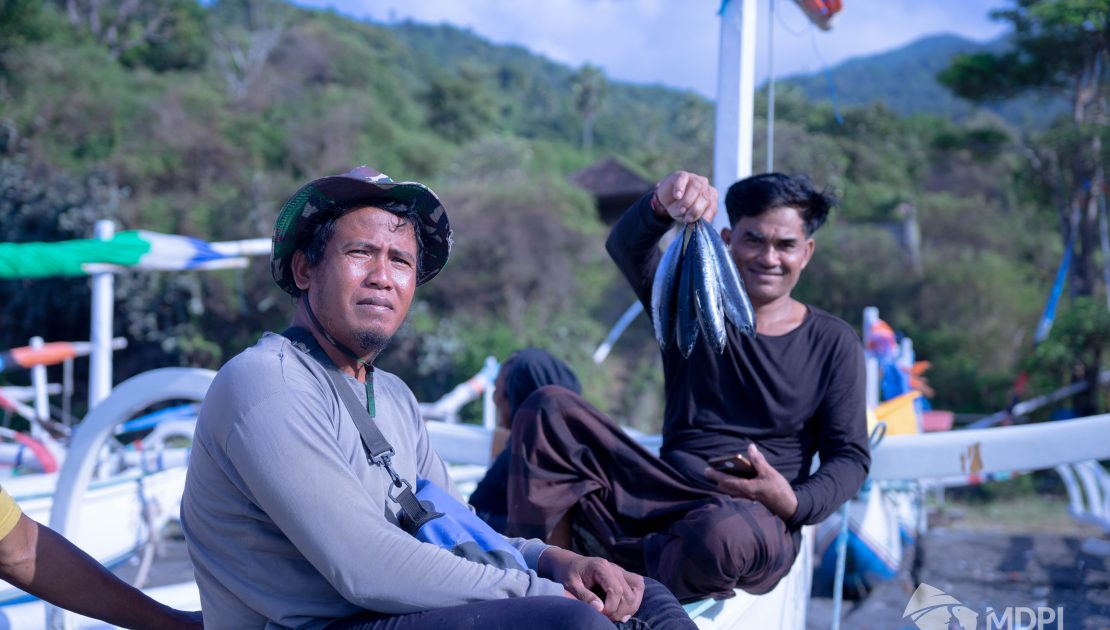
For Now, Fishers May Need Bureaucratic Assistance for Vessel Registration
- May 6, 2026
by M. A. Indira Prameswari
“Gentlemen, this is a rare opportunity,” an extension officer’s voice crackled over the village loudspeaker. “If you do not register your vessel now, you will have to bring it to the port independently to do so.”
This message echoed for a clear reason. On March 13, 2026, hundreds of fishers in Karangasem, Bali, packed the Merah Putih Fishing Village (Kampung Nelayan Merah Putih; KNMP) hall in Seraya Timur. The Bali Provincial Maritime Affairs and Fisheries Office (DKP Bali) and MDPI had opened a mass registration and licensing booth for fishing vessels. The event offered a welcome relief from the complex bureaucratic walls that often stymie small-scale fishers.
Comparing Regular Vehicle Registration to Fishing Vessel Registration
To understand the fishers’ struggle, imagine handling your vehicle registration (STNK) entirely on your own. You likely wouldn’t do it because distributors manage all the paperwork. You don’t have to bring the vehicle to a police station to scrub the chassis number yourself, nor do you have to measure the vehicle’s dimensions.
Vessel registration follows a similar logic—but with added complexity. While industries produce and license cars and motorcycles, small-scale fishing vessels lack a centralized industry. Local craftsmen or the fishers themselves build most traditional boats without official factory specifications. Consequently, fishers often feel overwhelmed when asked to report technical boat data to the system. This is why these registration booths serve as a vital facility, accommodating coastal community needs while ensuring state legal compliance.
Bringing Access from the City to the Coast
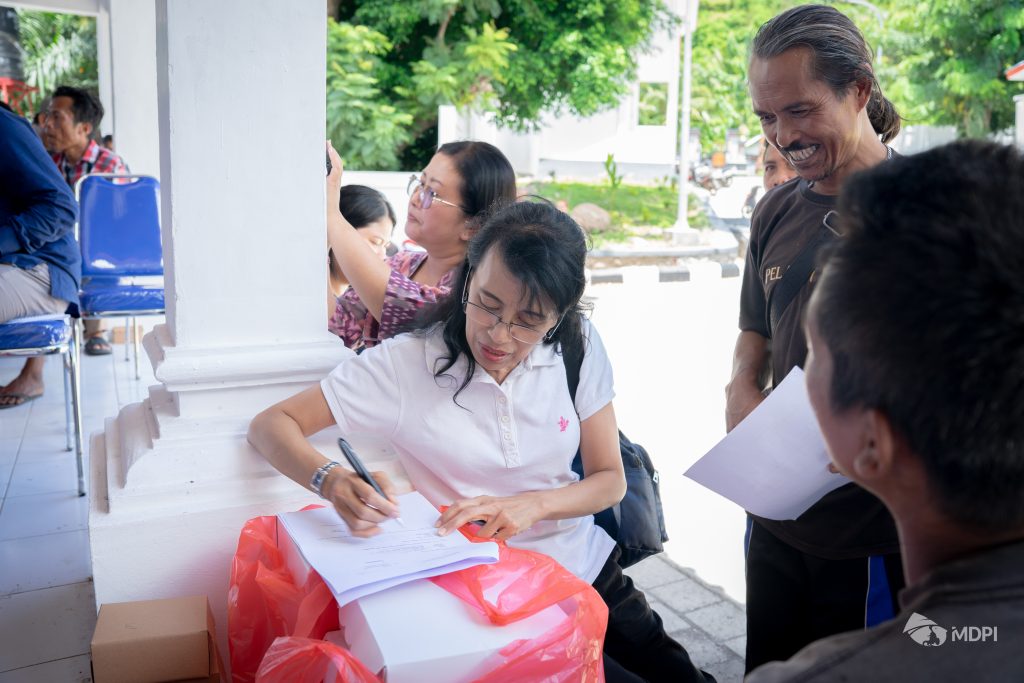
Given the complexity of self-registration, asking fishers to travel to the city is ineffective. Instead, the government must go to the fishers. A recent concrete example saw MDPI collaborate with Bali DKP to help fishers in Seraya Timur register their boats.
Eleven Bali DKP officials guided 150 fishers through their legal responsibilities. The event also created a space for dialogue between the local government, civil society, and coastal communities to strengthen collective legal compliance. Other agencies assisting at the booth included Karangasem Fishery Extension Officers and the Investment and One-Stop Integrated Services Office.
“We need to have a Business Identification Number and a Vessel Registration Number (Pas Kecil). This obligation is completely free for small-scale fishers, so you do not need to worry about being taxed,” said Ida Ayu Putu Riyastini, Head of the Fisheries Division at Bali DKP, addressing fishers who feared their vessels would face taxes after registration.
Read also: Towards Institutionalizing Bendega
Collaboration as an Accommodation
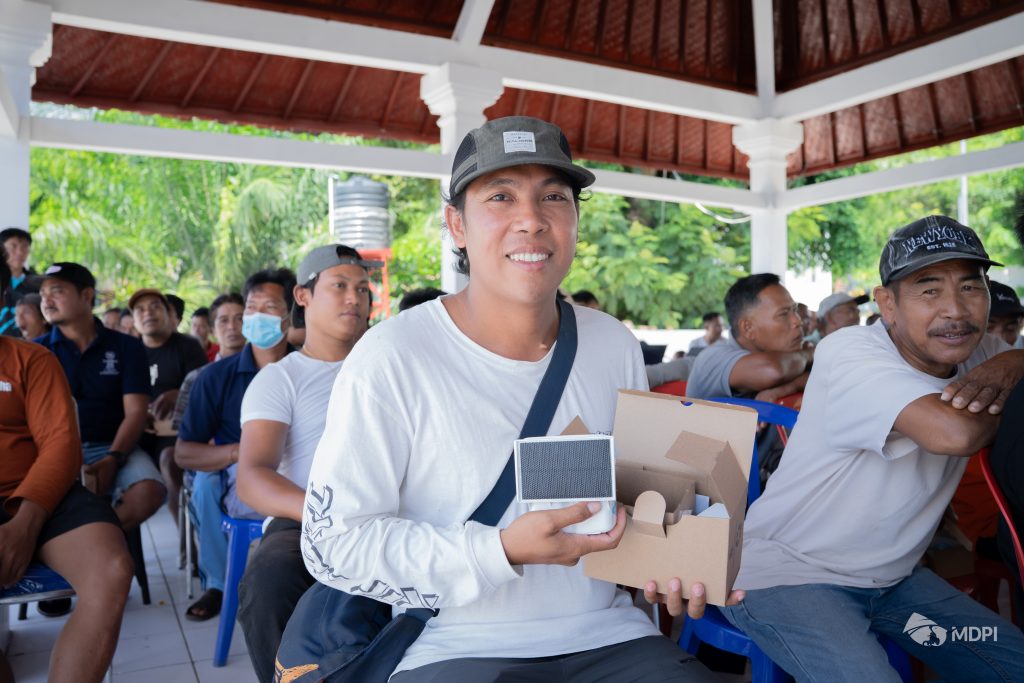
MDPI initiated the mass registration event to promote responsible fisheries in Indonesia and to help fishers secure their legal rights. In a bureaucratic system that is not yet “fisher-friendly,” collaboration remains the best way to accommodate community needs.
“Legality (the Pas Kecil) is a requirement for fishers to access subsidized fuel . Without valid legality, small-scale fishers remain vulnerable to operational obstacles in their fishing activities,” said MDPI Governance Coordinator Karel Yerusa.
“We share the government’s enthusiasm, especially when officials sincerely step in to help fishers directly. The vision of sustainable fisheries belongs to everyone,” concluded MDPI Fisheries Lead Putra Satria Timur.
Moving forward, MDPI will continue to advocate for the protection of small-scale fishers’ rights through fishery improvement and local wisdom. This includes providing legal assistance to the Bendega (indigenous fishers) to protect coastal communities and ensure sustainable resource management.
Read also: Bali’s Small-scale Fishers Entangled in the Bureaucratic Fuel Subsidy