
Gorontalo’s FCMC 2026 Meeting Leaves Stakeholders with Tons of Development Responsibilities
- October 13, 2026
by Dadang Siswanto Alim, M. A. Indira Prameswari
Have you heard of Tomini Bay? Experts dub Tomini Bay the “Heart of the Coral Triangle,” crowning its status as the centre of marine biodiversity in the southern part of the Gorontalo province. Though a safe ground for reef fishes, this region holds a large activity of pelagic fishery.
Data from the Ministry of Marine Affairs and Fisheries (MMAF) shows a consistent annual increase in Gorontalo’s fisheries production. In 2024, the tuna production reached 53,793.44 tonnes, up from 46,045 tonnes prior.
Unfortunately, the rising capture fisheries production in Gorontalo does not always translate to more food on the tables. Operational hurdles, such as the scarcity of subsidised fuel, frequently haunt life of local fishing communities.
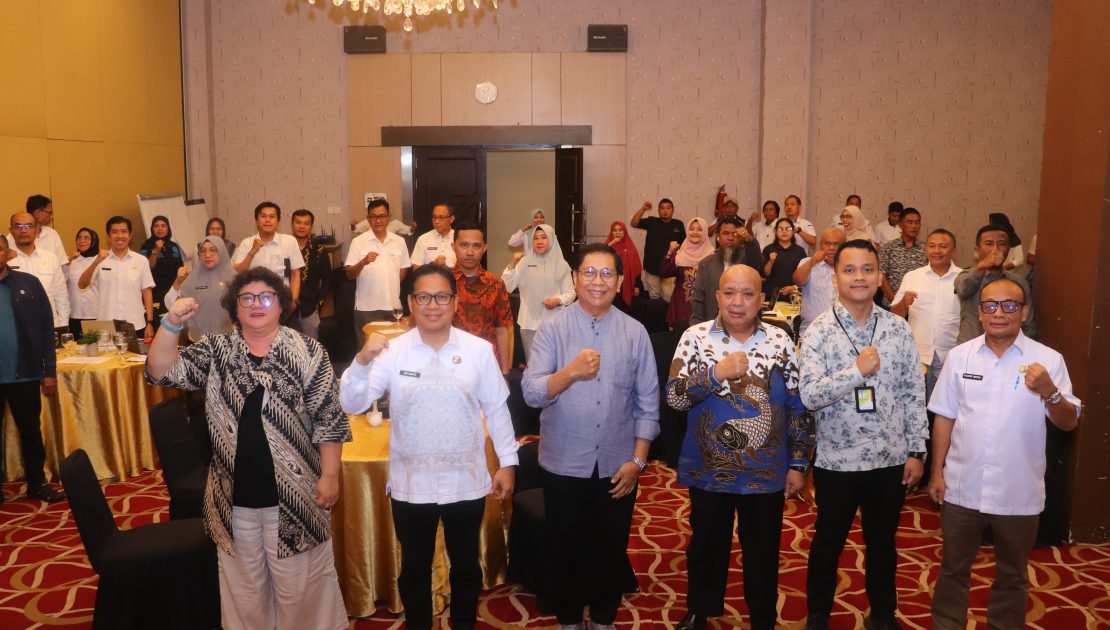
The issue drew attention to this year’s Gorontalo Province Fisheries Co-Management Committee (FCMC) dialogue. On September 23, 2026, around 81 participants representing various fisheries stakeholders, the Gorontalo Marine Affairs and Fisheries Agency (DKP), alongside industries and NGOs (non-governmental organizations), examined the structural barriers locals face.
Fluctuating fuel supply challenges demands for consistent productivity in Gorontalo
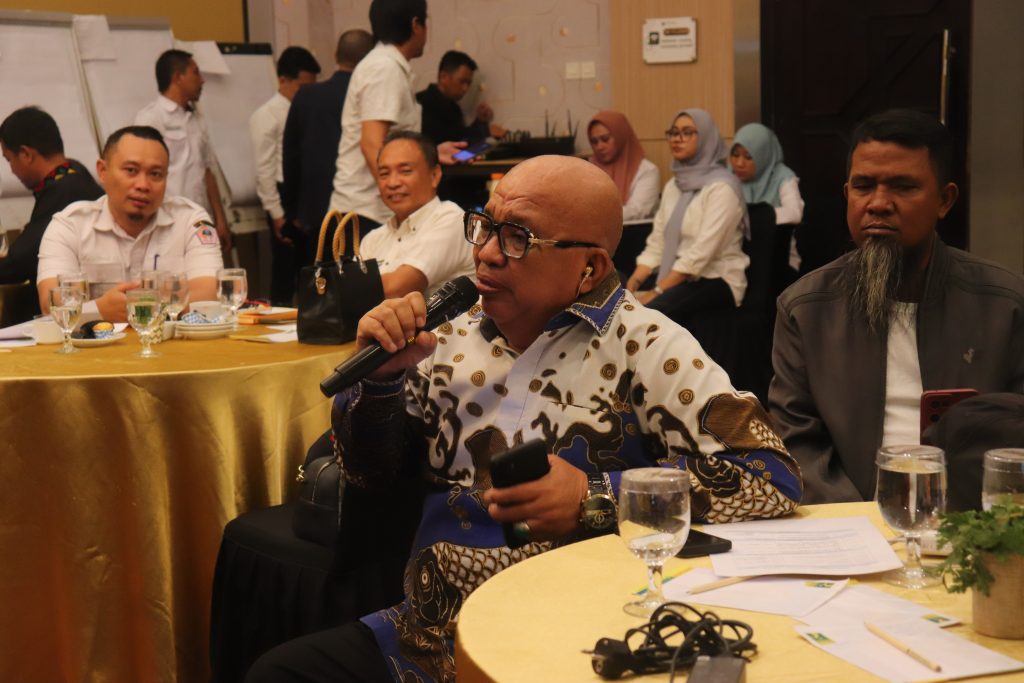
Just like in other FCMC regions, fuel issue became a main concern in the forum. Aryanto Husain, Head of the Gorontalo DKP, shared a paradoxical reality he found on the ground: nearly every stakeholder expects growing and fruitful fishery productivity. This expectation then meets a rough reality: fishers struggle to be fully productive due to disruptive subsidized fuel supply.
Aryanto also noted that even some fishers must travel absurd distances of 30 kilometres just to get their rightfully subsidized fuel.
“We must fix access issues starting from improving (transparent) services at the station,” Aryanto asserted. The forum then adopted this idea as a follow-up recommendation for relevant stakeholders, which in this case is a dedicated multi-stakeholder task force, to implement.
The task force holds a major responsibility: to bring order to retailers that illegally sell or distribute subsidized fuel to non-rightful parties. Fishers can also report to the task force when they find any signs of fraud on the ground.
“Currently, local fishers often get our fuel at retail depots at a more expensive price. Yet they have the legal papers to access fuel with subsidized prices,” said Limonu Hippy from Commission 2 of the Gorontalo Provincial Parliament. “If possible, we should set up more Fisher Fuel Stations (SPBN) in fishing villages for targeted allocations.”
Committee to navigate complex FAD bureaucracy with research study
The chaotic distribution of subsidised fuel does not stand as the only complication. Both small-scale and industrial-scale fishers in Gorontalo struggle with the bureaucratic maze of FAD permit.
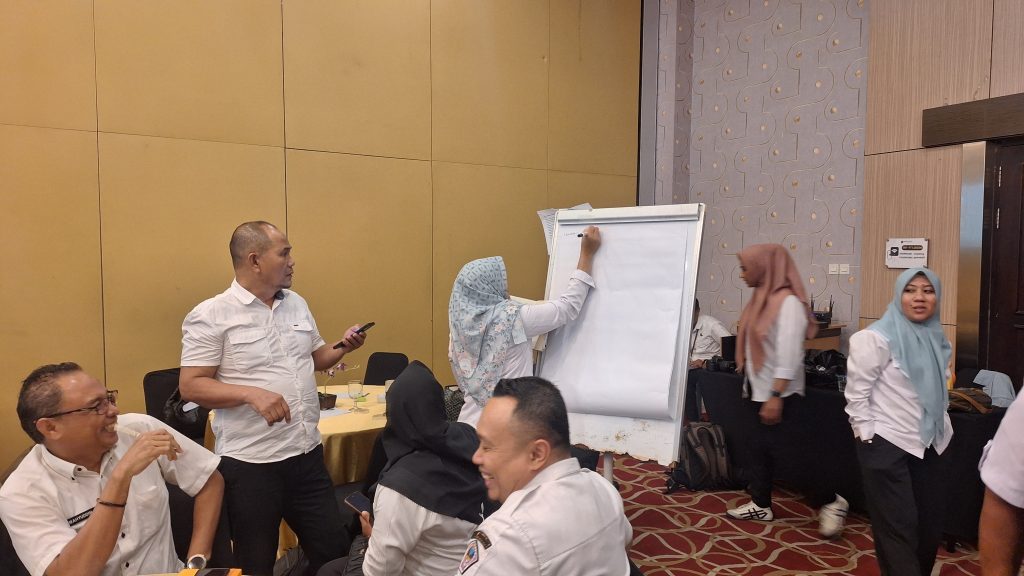
Not a single FAD owned by Gorontalo fishermen in Tomini Bay holds an FAD Permit. The reason falls far from intentional non-compliance: fishers want to register their FADs, but minimal data and public awareness stir their intent. To light the way, the Gorontalo DKP, industry associations, and local academics will support a study for base recommendation.
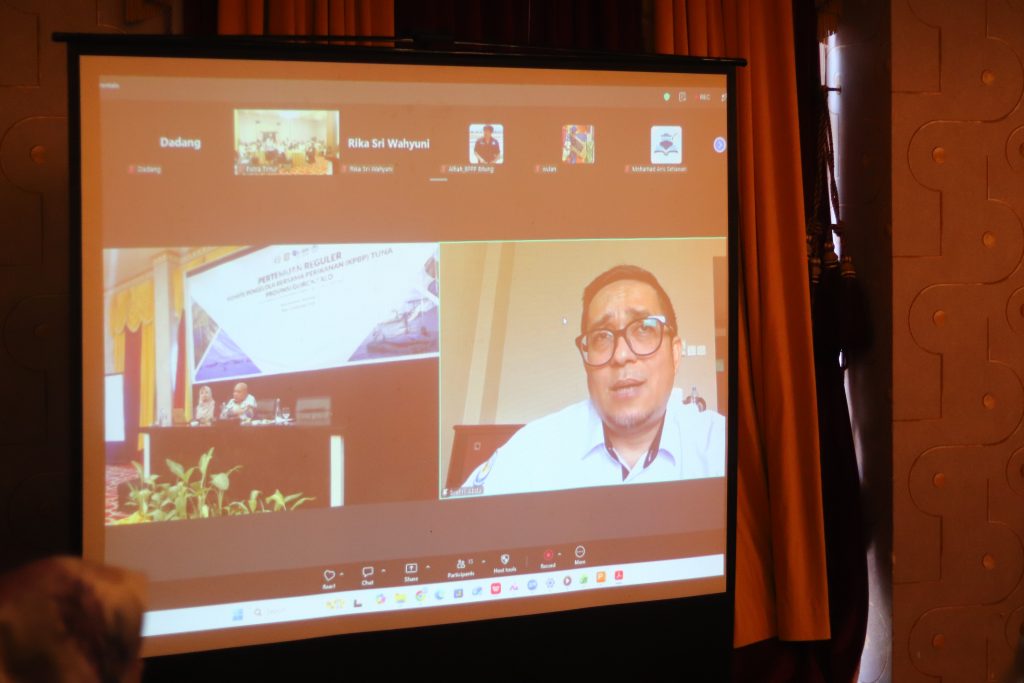
“MDPI has conducted a joint study with the IPB University on FAD management in Tomini Bay and submitted the data to the MMAF,” said MDPI Fisheries Lead, Putra Satria Timur. “However, we need additional studies to complement and compare the findings. The more complete the data, the easier for us to implement FAD policies.”
In response to data needs, Director of Fishery Resources (PSDI) of MMAF Syahril Abdur Rauf reveals the current government’s work on FAD policy re-evaluation.
“The FAD policy is currently under re-evaluation process. We urge, however, all industries to submit their FAD documents immediately, including base research data (if applicable),” said Syahril.
The funds will finance fishers needs to fulfill licensing document requirements, such as obtaining the marine area utilization clearance (PKKPRL) necessary for FAD permit.
“After the study concludes, we can submit it to the Provincial DKP, which will then forward it to the MMAF,” explained ANPG member Abdullah Djarai.
Fishers need for safety also drew the Committee’s concern
Furthermore, the committee highlighted the fishers’ need for vessel monitoring system technology—a tool that serves as a legal necessity for large-scale vessels. Other than to monitor a vessel’s compliance with regulations, the system also provides exact coordinates if a ship goes missing at sea.
On top of a need for safety devices, The Committee strives to secure insurance for fishers. They pursue these initiatives not only to comply with Central Government regulations but also to guarantee the lives of Gorontalo fishers.
“The central government should not be the only entity thinking about insurance,” Aryanto said. “We, the provincial officials, must also take part to safeguard our fishers’ wellbeing.”
Development homework awaits
The conclusion of the annual Gorontalo FCMC meeting left homework for all parties. The gathering served not as an empty formality in a luxurious venue, but as a platform demanding collective accountability from its members.
“We must ensure our discussions do not merely become empty words,” Aryanto concluded. “We must work together as a unified Committee for the future, especially regarding how we can improve the welfare of our community.”
About the FCMC Gorontalo
The FCMC Gorontalo operates as an inclusive, multi-stakeholder forum that drives sustainable tuna fisheries management in Gorontalo Province.
Every year, the committee hosts a forum to discuss tuna fisheries governance issues, including the interests of small-scale fishers whom the state protects. Members then translate these discussions into a joint action plan and execute it collaboratively. The forum comprises representatives from the government, academia, the fishing industry, fishing communities, and civil society organizations.