
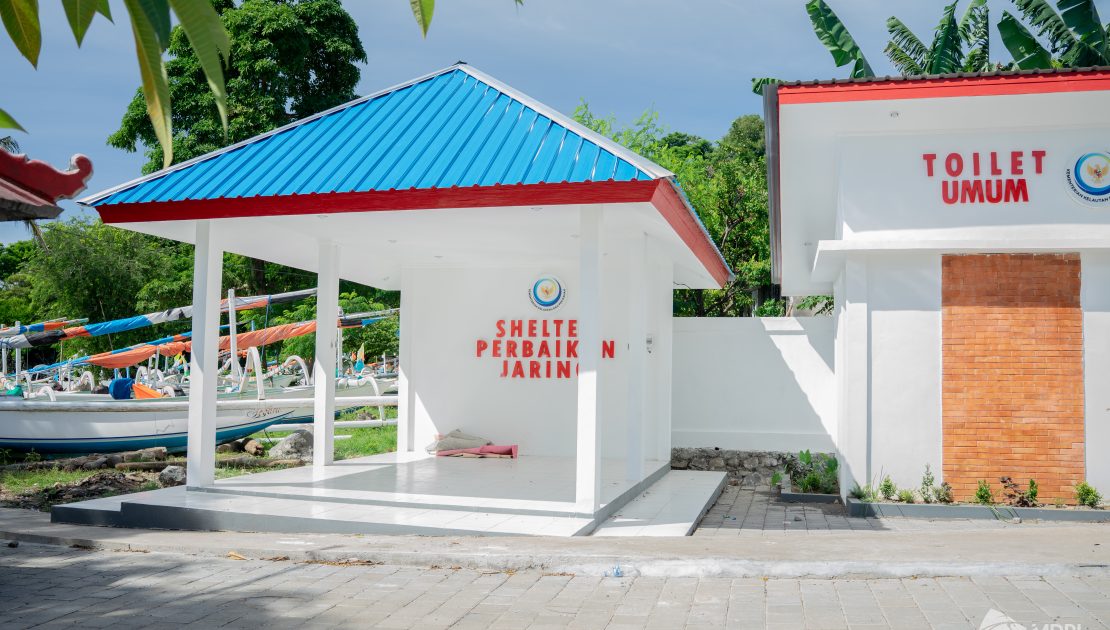
Four Ways to Maximize the ‘Merah Putih’ Fishing Village Program
- June 22, 2026
by Adjie Dharmasatya
This article draws from the hands-on experiences of MDPI in assisting coastal communities in Buru Regency, Maluku, who happen to be direct beneficiaries of a flagship government initiative: the Red and White Fishing Village program.
The Red and White Fishing Village (Kampung Nelayan Merah Putih), or ‘KNMP’ in short, is a flagship program of the Ministry of Marine Affairs and Fisheries of Indonesia (MMAF). The government designed this program to transform coastal villages into self-reliant, modern, and sustainable economic hubs.
Under the Ministerial Decree No. 54 of 2025, the ministry defines KNMP as an integrated government intervention within fishing and aquaculture settlements. It aims to build a modern, self-sufficient coastal economy by delivering comprehensive infrastructure from upstream to downstream.
In both theory and practice, the economic evolution of these villages hinges on this infrastructure. Beyond physical hardware, the program relies on the Red and White Cooperative (KMP); serving as the main drive of village development by strengthening community-based cooperative institutions.
When plenty infrastructure lacks community development
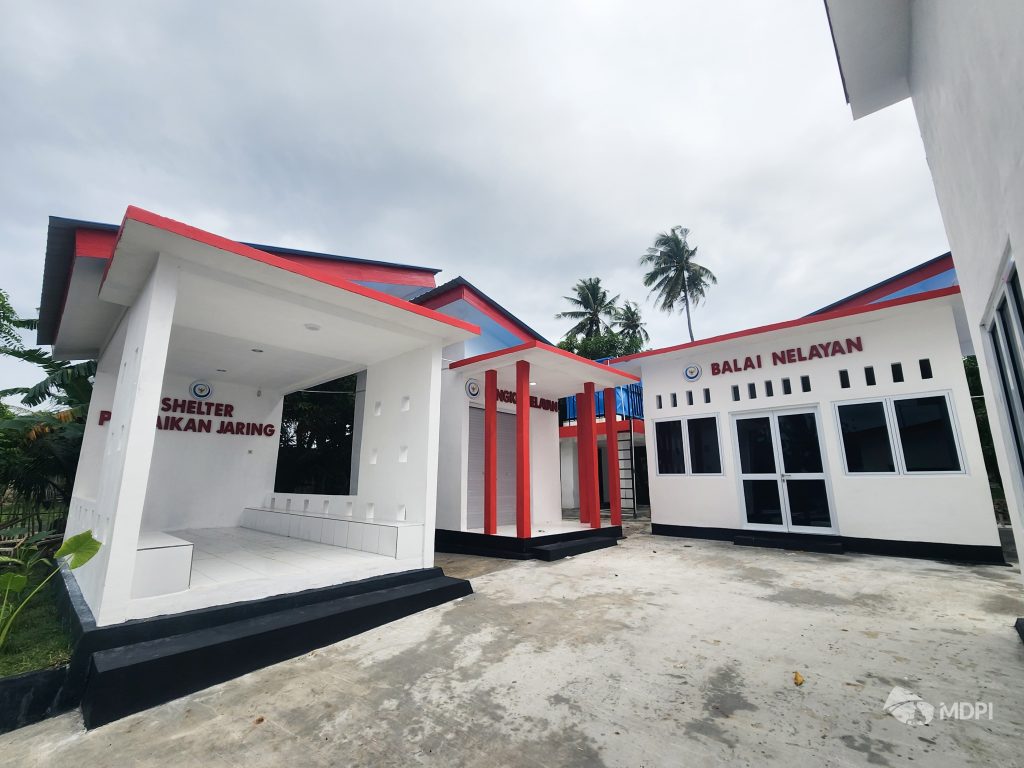
For years, stagnant economies plagued coastal villages due to a lack of basic facilities. The KNMP program marks a critical turning point. Waelihang Village, located in the Waplau Subdistrict of Buru District, is a prime example of this newfound state support.
Built in 2025, the Waelihang facility brought immediate, sweeping changes: ice production warehouses, gear repair shops, engine workshops, houses of worship, new boats, a fish auction market, and a dedicated management office. With such modern infrastructure, optimism ran high. The initial hypothesis seemed obvious: rapid economic acceleration for the coastal community.
However, infrastructure alone does not guarantee economic development, especially in remote regions. Real growth requires management capacity built through long-term mentorship (Mappigau et al., 2026). Building physical facilities fast does not automatically translate into immediate economic value for the villagers.
To succeed, governments must bridge the gap between providing physical assets, offering financial stability, and teaching critical business competencies.
Four steps to optimize the KNMP development
To lift the economic fortunes of small-scale fishing communities, economic development must march hand-in-hand with community empowerment (Zukri et al., 2023).Policymakers must map social dynamics, resource potential, and local perspectives. They must integrate the lived experiences of the community into every stage of development.
Here are four actionable strategies to build a more inclusive business institutions targeted for small-scale fishing communities.
1. Decode the Local Social Dynamics
Understanding a community’s socio-economic reality requires deep, direct engagement. Economics and social behavior are deeply intertwined.
Take Buru as an example: women dominate family financial management and decision-making. Whether calculating savings, tracking daily expenses, or managing business outlays, the wives and mothers of local fishermen carefully oversee the household capital (Maman et al., 2025).
Therefore, capacity-building programs must actively involve women in the seafood supply chain’s business operations (FAO, 2024). True empowerment means directing aid to the people best suited to manage the funds. Beyond gender, project leaders must evaluate social status, village dynamics, and local norms. This ensures that expensive, state-of-the-art facilities actually remain relevant to the community.
Tip: Base the management models of the KNMP and the cooperative on existing socio-economic roles. This builds immediate community trust and prevents costly conflicts of interest between competing local groups.
2. Identify Resource Potential and Ecological Limits
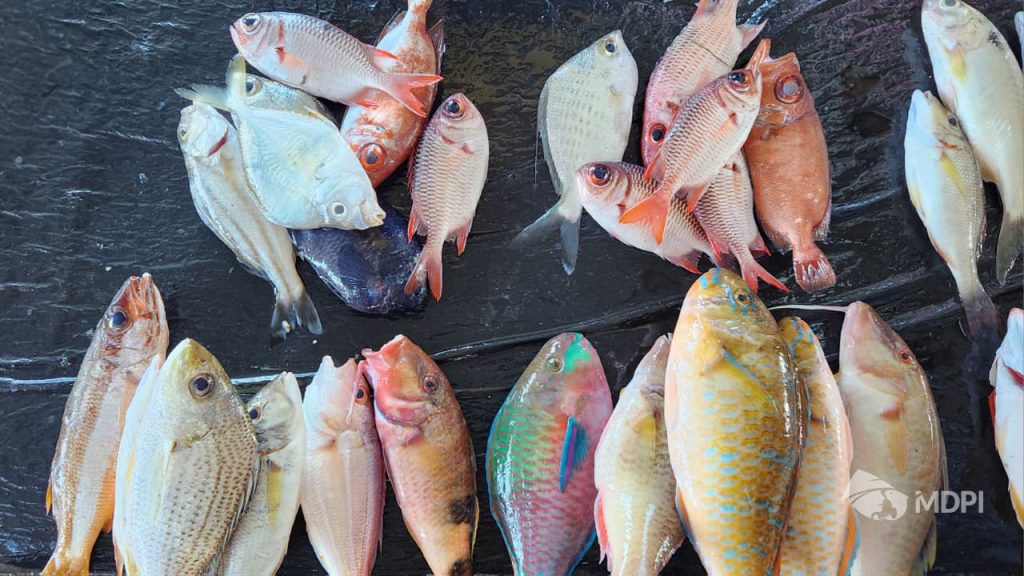
Maluku enjoys a reputation as Indonesia’s “National Fish Barn” due to its rich marine life (Hidayat, 2025). Yet, without comprehensive data, this abundance is just a meaningless metric.
It is easy to marvel at daily catches totaling hundreds of tons. However, massive catch volumes and quick payouts only secure short-term wealth. Worse, the temptation to maximize immediate catches often leads to overfishing and resource depletion, as witnessed in Waelihang Village.
Fisheries data is vital. Communities must collect, analyze, and use data to co-manage their resources. When state aid pairs with community-level education on sustainability, villages can spot and mitigate ecological threats before reaching a point of no return.
Read also: The Resilience of Waelihang Fishers in a Sick Ocean
3. Map and build local business skills
In any institutional economic model, active community participation and a genuine sense of ownership are non-negotiable (Lachapelle, 2008; Topatimasang & Cahyono, 2018). Mapping the community’s current knowledge, skills, and experience forms the foundation of a viable business strategy.
Then what if the villagers lack the skills to run a modern enterprise? The solution lies in structured technical training and routine workshops. Target these programs at trusted village leaders, as well as the broader coastal community indirectly involved in operations.
By involving everyday citizens, you provide valuable, hands-on experience. This ensures that the local population (i.e. the primary custodians of the program’s future) can truly drive the village economy growth.
4. Advance long-term community development
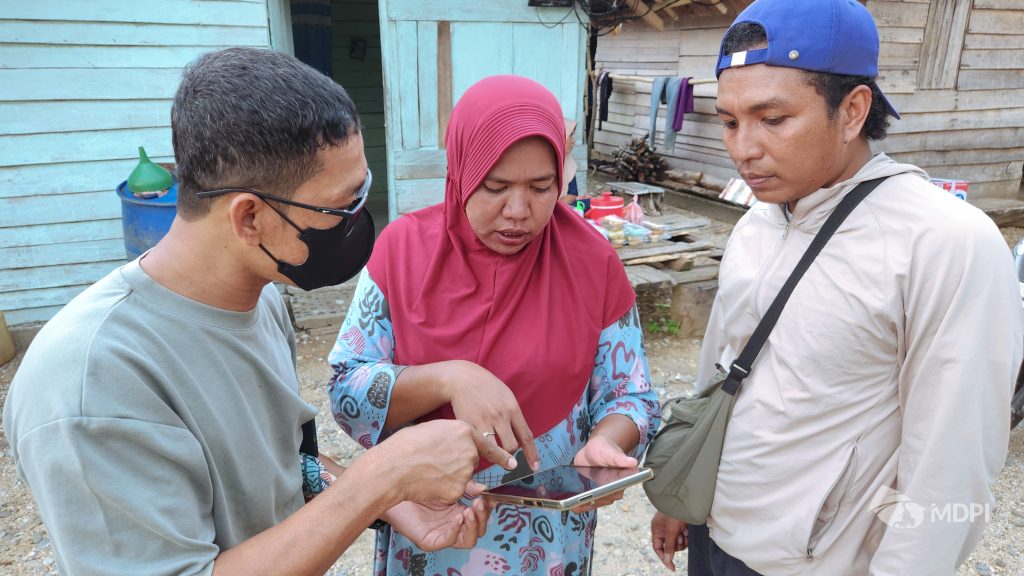
Every organization fears a flashy program launch that leaves no substantive impact once the cameras leave. Regular, consistent mentorship is the only therapy to this particular fear.
Without it, data on community progress remains fragmented. Basic metrics like attendance sheets or initial comprehension checks might work for an opening launch, but they fail to measure deep, long-term impact (Stacey et al., 2021).
Consistent community assistance provides measurable progress. Government bodies or non-governmental organizations can help communities navigate dynamic challenges like supply chain bottlenecks or internal friction. These are real-world problems that basic, one-time training sessions simply cannot solve.
For a sustainable growth
Ultimately, developing a coastal economy means developing its people. Shiny new facilities and institutional funding provide a powerful head start, but the ultimate impact depends entirely on the people who manage, utilize, and grow those assets.
We cannot separate economic growth from social realities, resource limitations, and business capacity. By prioritizing the human element, we give coastal communities their best shot at becoming independent, resilient, and truly prosperous.
“Sustainable coastal development happens when the community stops being just a beneficiary and starts becoming part of the process.”