Government of West Nusa Tenggara Engages 6 Strategic Partners to Accommodate the New Model of FCMC
- July 8, 2026
by M.A. Indira Prameswari
The Provincial Government of West Nusa Tenggara, in partnership with MDPI, has announced a major expansion of its collaborative fisheries governance framework aimed at ensuring the long-term sustainability of regional marine stocks.
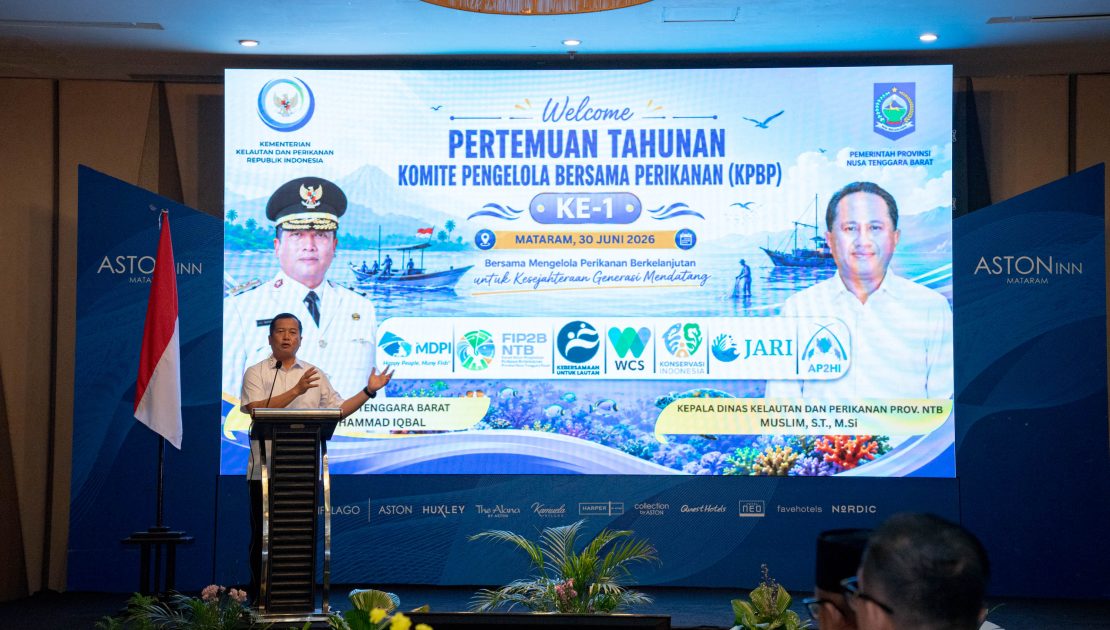
The commitment solidified in the recent Fisheries Co-Management Committee (FCMC) West Nusa Tenggara Annual Meeting, which convened 107 fishery stakeholders. This strategic initiative targets cross-sector coordination with focus on several aspects of fishery management and coastal community welfare.
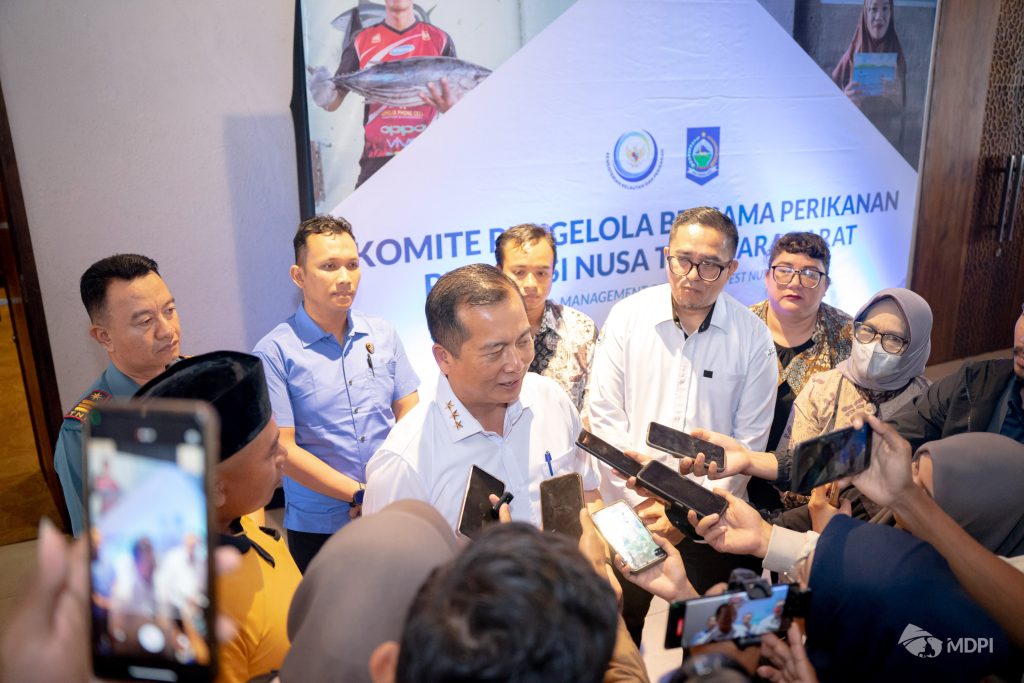
“We seek to work hand-in-hand with civil society organizations and academic institutions. Respective partners will fill critical data gaps that are essential for precise policymaking,” said Lalu Muhammad Iqbal, the Governor of West Nusa Tenggara.
Transitioning into an Ecosystem-Based Approach
Historically meetings were organized by the Committee focused primarily on high-valuable tuna commodities. However, provincial Department of Marine Affairs and Fisheries noted that cross-sector coordination is vital to protecting the diverse West Nusa Tenggara’s fishery.
“The marine characteristics of West Nusa Tenggara are distinctly tropical, featuring complex interactions among a vast array of species. As a result, the current FCMC pivots from a tuna-focused forum toward a highly collaborative, ecosystem-based management approach,” added Yasmine Simbolon, Director of MDPI.
The Multi-species Co-Management Model
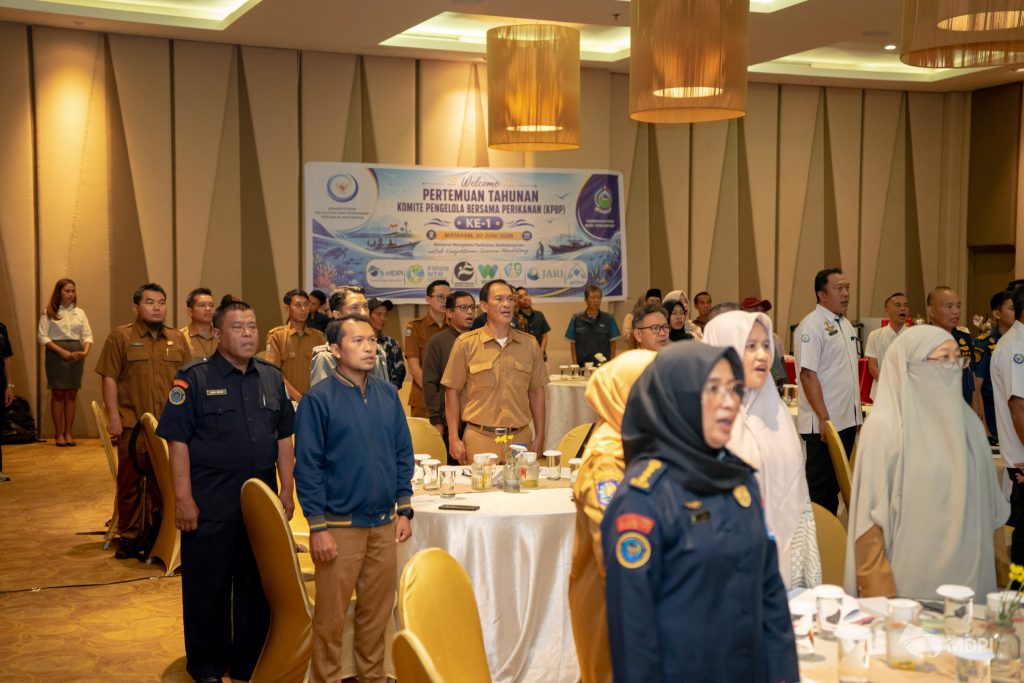
As a formalized platform, the FCMC West Nusa Tenggara Annual Meeting brings together all sorts of stakeholders. From government bodies, academic experts, civil society organizations, industry leaders, and small-scale fishers’ associations, they sat in the forum as equal partners.
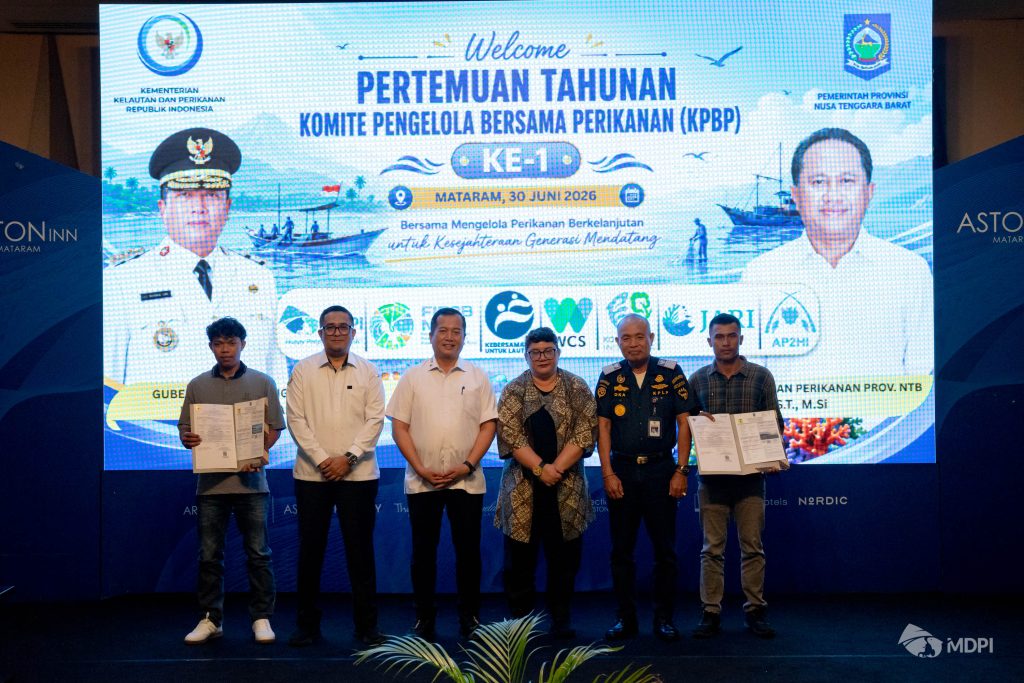
The local government appointed six strategic partners in co-managing the fishery sector: MDPI, Wildlife Conservation Society (WCS), AP2HI, KUL Foundation, JARI Foundation, FIP2B NTB, and Konservasi Indonesia.
The Ministry of Maritime Affairs and Fisheries (MMAF) praised the committee for bridging the gap between grassroots fishers and policymakers. This forum allows stakeholders to exchange real-time feedback, ensuring smoother policy implementation on the ground.
“This forum provides invaluable feedback. At the national level, insights from these upstream meetings have already facilitated relaxation of the Measured Fishing,”said Syahril Abd. Raup, Director of Fish Resource Management of MMAF. The director also thanked forums alike that have brought critical policy adjustments.
From Provincial Region to Nation
Moving forward, the FCMC’s operational reports will run directly to the Governor to enhance provincial marine and fisheries profile, serving as a blueprint for local legislation. These regional outcomes will also be elevated to the national level as reference for ministerial policies.
“The actionable strategies developed by this committee will be implemented and presented at the Fisheries Management Area Unit meetings, building on the frameworks established in 2025,” Simbolon concluded.