
MDPI’s Proposes Solutions for Indonesia’s small-scale Fisheries Before the House of Representatives
- February 4, 2026
by Muhammad Alzaki Tristi | translated by M. A. Indira Prameswari
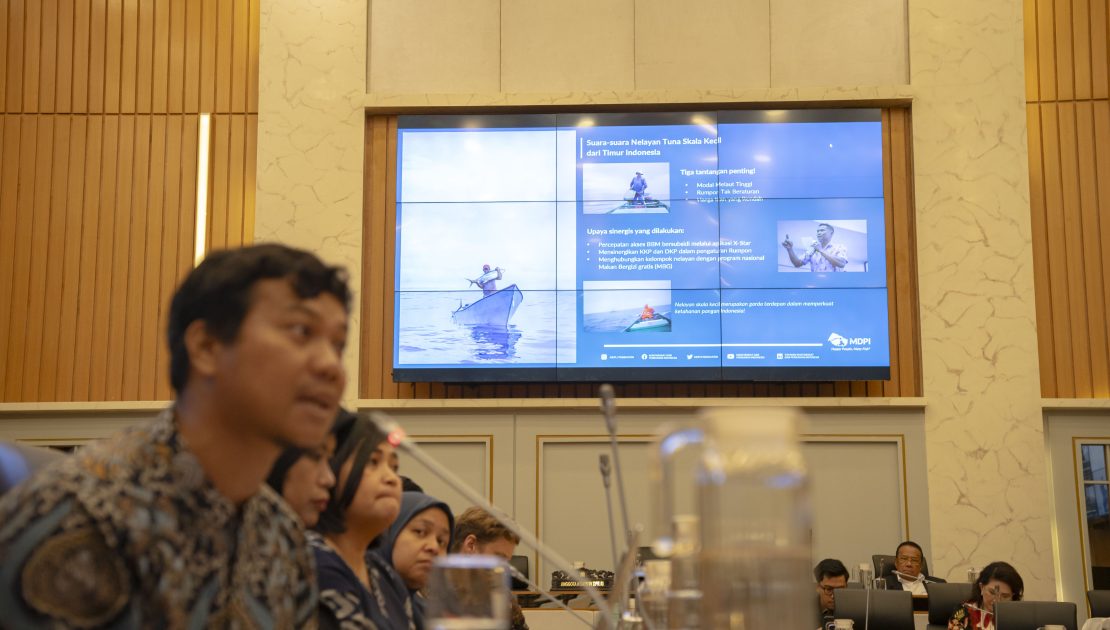
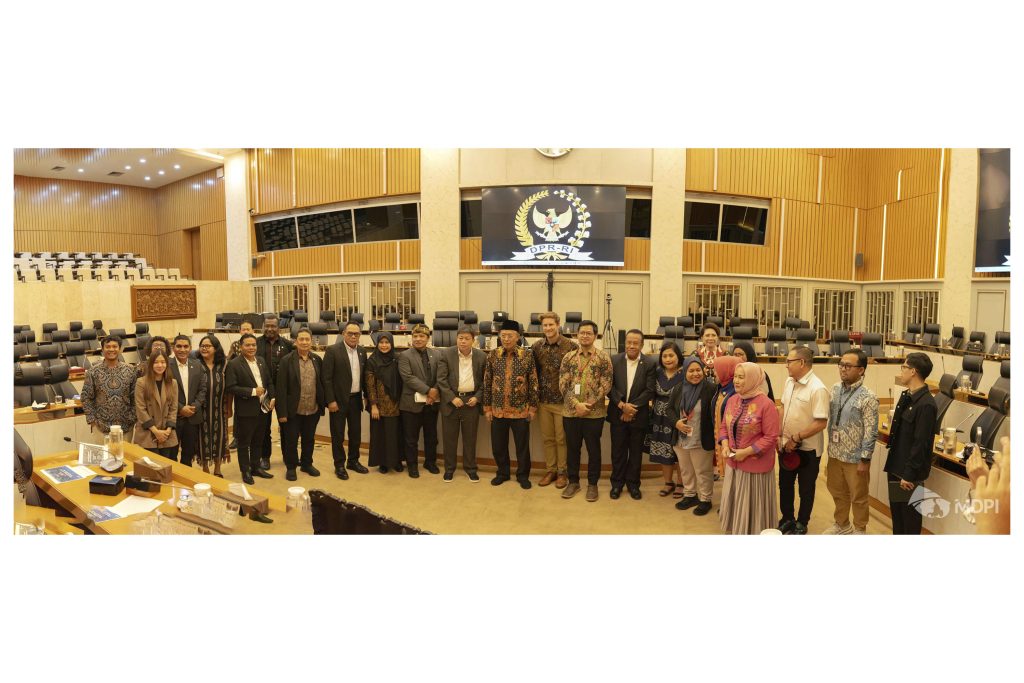
MDPI advocated small-scale tuna fishers require urgent policy intervention for country’s food security during a Legislative Public Hearing in Jakarta, January 21, 2026.
MDPI attended a public hearing with Indonesia’s House of Representatives (DPR RI)-Fourth Commission. We emphasized list of adoptable policy recommendations aimed at strengthening ocean-based food security.
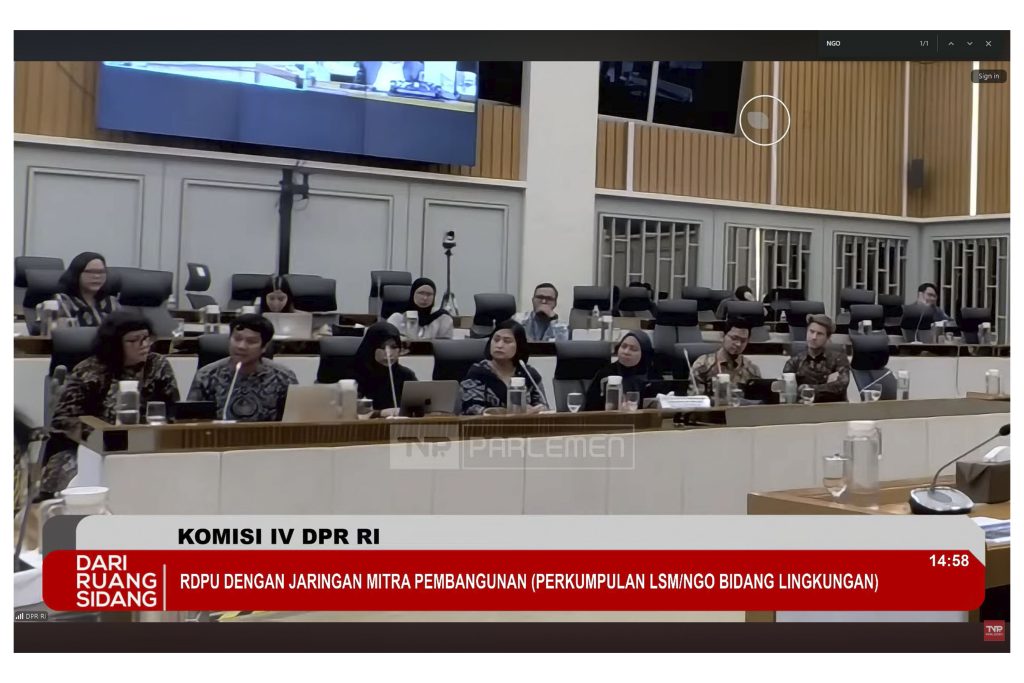
The public hearing featured Lawmakers and NGOs, including ICCF Indonesia, Konservasi Indonesia, and IPNLF alongside MDPI as a member of the Tuna Consortium and Development Partners to the Ministry of Marine Affairs and Fisheries (MMAF).
MDPI believes that the daily reality for fishers operating on the margins is not a mere technical issue; it is structural. They provide a more sustainable source of protein to the archipelago’s population compared to larger-scale. However, structural inefficiencies are currently stifling their potential.
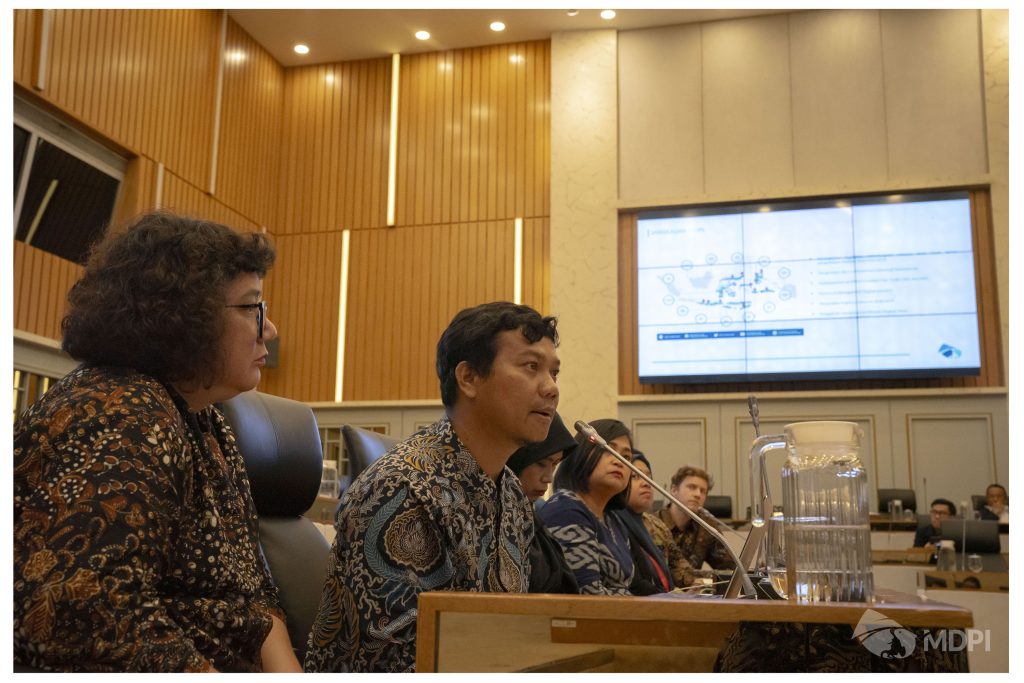
“High operational costs, unmanaged fish aggregating devices (FADs), and low market prices are daily struggles for small-scale tuna fishers,” MDPI Fisheries Lead Putra Satria Timur said during the hearing. Along with MDPI Director Yasmine Simbolon, he urged the government to immediately impose solutions to these challenges. This includes better access to subsidized fuel for small vessels. better FAD regulation, and designing national food programs to absorb local products.
Read also: Five Challenges Small-Scale Fishers Face That You Should Know About
Small-scale Fishers May Need Access to National Programs
A key proposal involves connecting small-scale fisheries directly to President Prabowo Subianto’s flagship “Makan Bergizi Gratis” (Free Nutritious Meal) program. Integrating local catches into the national school lunch and nutrition program may help addressing national stunting issues while providing local fishers with a stable, fair-priced market.
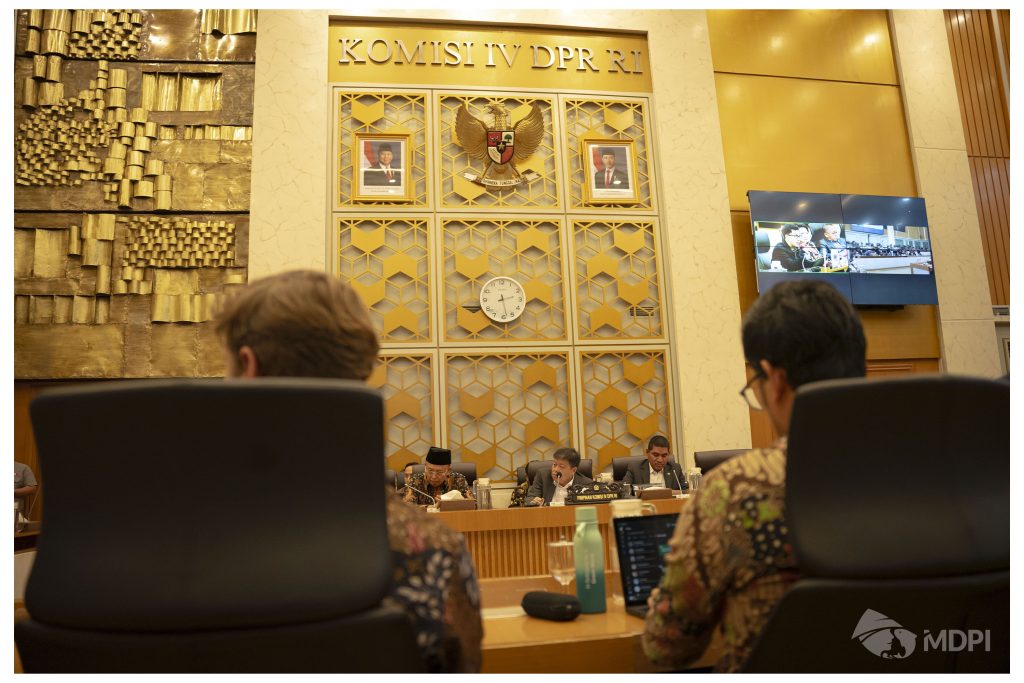
Alex Indra Lukman, who chaired the meeting, noted that the recommendations align with the administration’s current priorities. He pointed to the “Kampung Nelayan Merah Putih” (Red and White Fishing Village) and the “Koperasi Merah Putih” (Red and White Cooperatives) programs as the intended vehicles for this integration.
“The downstreaming of these programmes will eventually connect with the Free Nutritious Meal initiative. We hope this will address several of the issues discussed today,” Lukman said.
Read also: Hope in a Sick Ocean: The Resilience of Waelihang Fishers
Responding Global Commitments
The hearing also touched upon Indonesia’s role in the Global Biodiversity Framework. It finally concluded with possible follow-ups for the upcoming United Nations Ocean Conference (UNOC) in Nice, signaling Jakarta’s intent to align its domestic fisheries policy with international sustainability standards.