
Shaping the Fate of Indonesia’s Fishery at the 2026 UPP-WPPNRI Annual Meeting
- October 22, 2026
by M. A. Indira Prameswari, Karel Yerusa
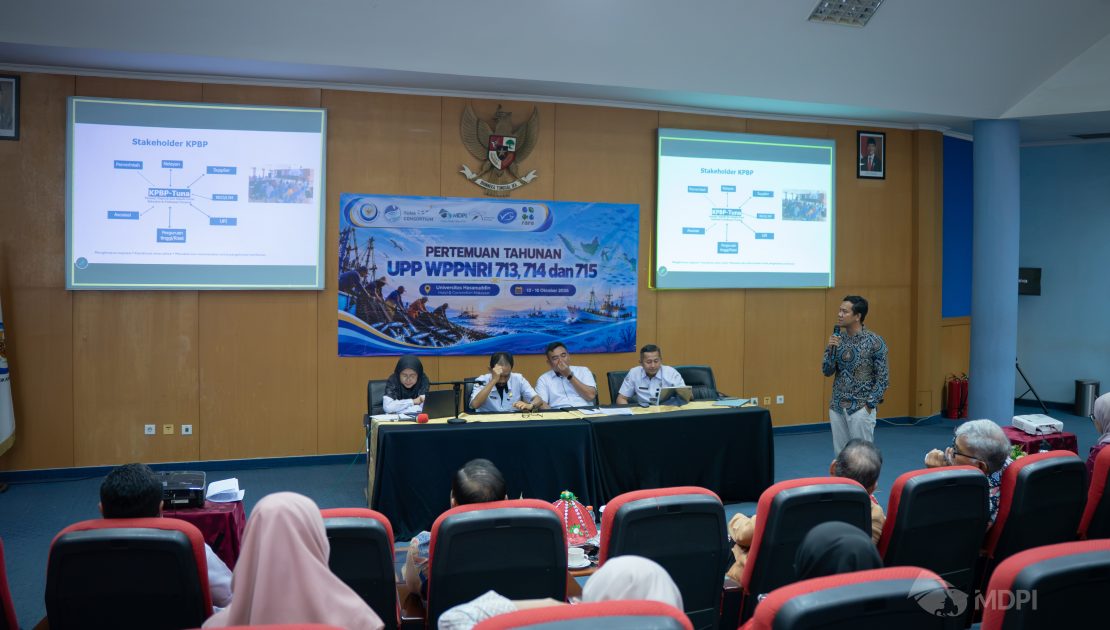
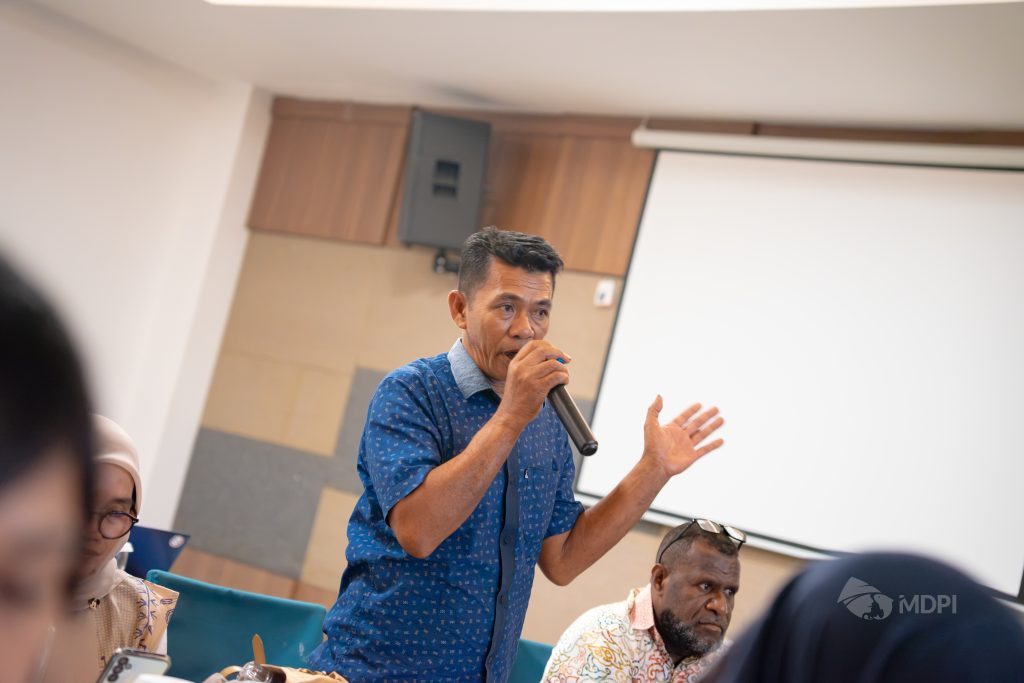
MAKASSAR—”Our community back home awaits the results of today’s meeting,” said Subair, a fisherman from Bulukumba District. His face displayed the hope he carried from the coast into an air-conditioned room at Hasanuddin University’s Science and Technology Building in Makassar.
For Subair, Wednesday, Oct. 14, 2026, represented more than just a day for formal discussions. It marked a turning point for his livelihood. At the 2026 Annual Meeting of the Fisheries Management Unit for the Fisheries Management Areas of the Republic of Indonesia (UPP-WPPNRI) 713, 714, and 715, stakeholders wagered the very pulse of Indonesia’s central and eastern fisheries sector.
Regional representatives made modest requests. As Subair noted, the small-scale fishing communities wanted clarity: about fishing quota and a better access to subsidized fuel in their villages, crucial for their livelihoods.
“They desperately hope for fair fish quotas and easier access to subsidized fuel,” Subair added.
But Subair and other fishers do not stand alone in their demands. Other managers—including the Ministry, Gubernatorial Offices, industry associations, and research institutions as policymakers were present, while non-governmental organizations (NGOs) observed the forum. Each attendee brought different interests, yet they all pursued a common mission: sustaining a resilient and thriving fisheries sector.
FCMC to protect the shared ‘saving account’ for all stakeholders
Managing Indonesia’s fishery resources is like managing a shared family’s savings account. Fish represent the financial balance, while stakeholders act as shareholders requiring daily sustenance. If a member decides to suck all the money for their own pocket, the interest never gets a chance to grow. Similarly, if the industry depletes the fish populations, the species will have no time to reproduce.
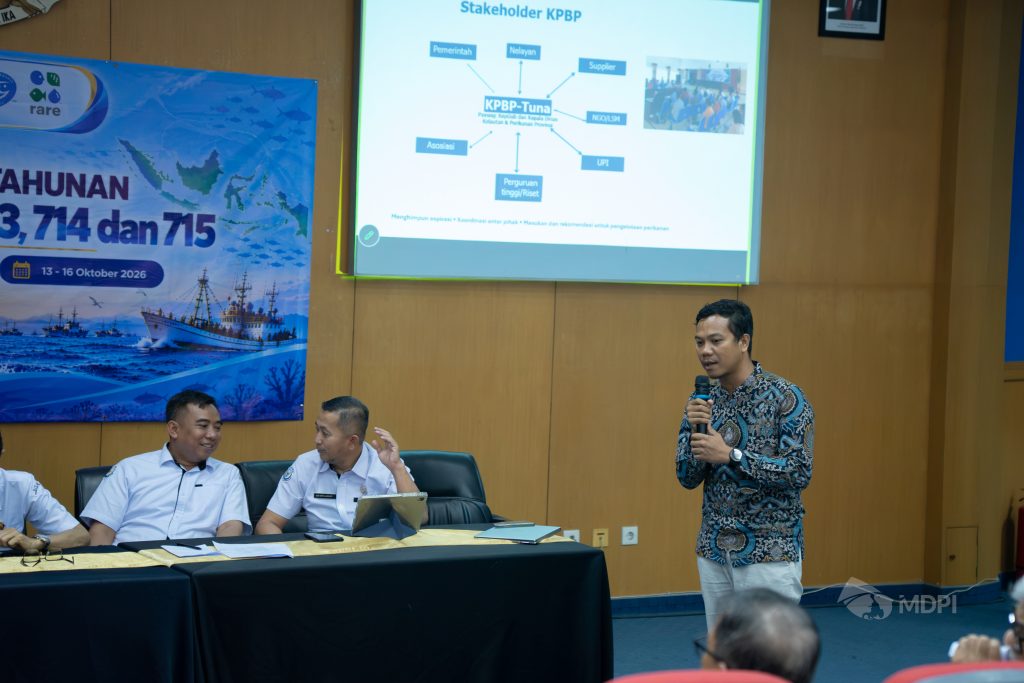
Therefore, reaching a consensus remains essential. At the UPP-WPPNRI forum, stakeholders—ranging from the fishing communities and business associations, to NGOs and government bureaucrats—gather to negotiate the boundaries of compromise.
The fishing community has first moved to preserve this ‘savings account’ through concrete actions. Moh, a fisherman from Central Maluku District, recounted his community’s effort. His traditional fishing association independently set aside their profits to pay villagers filling fishers’ logbooks. Collected data then sent to the Ministry’s central data bank, helping the state make science-based management decisions.
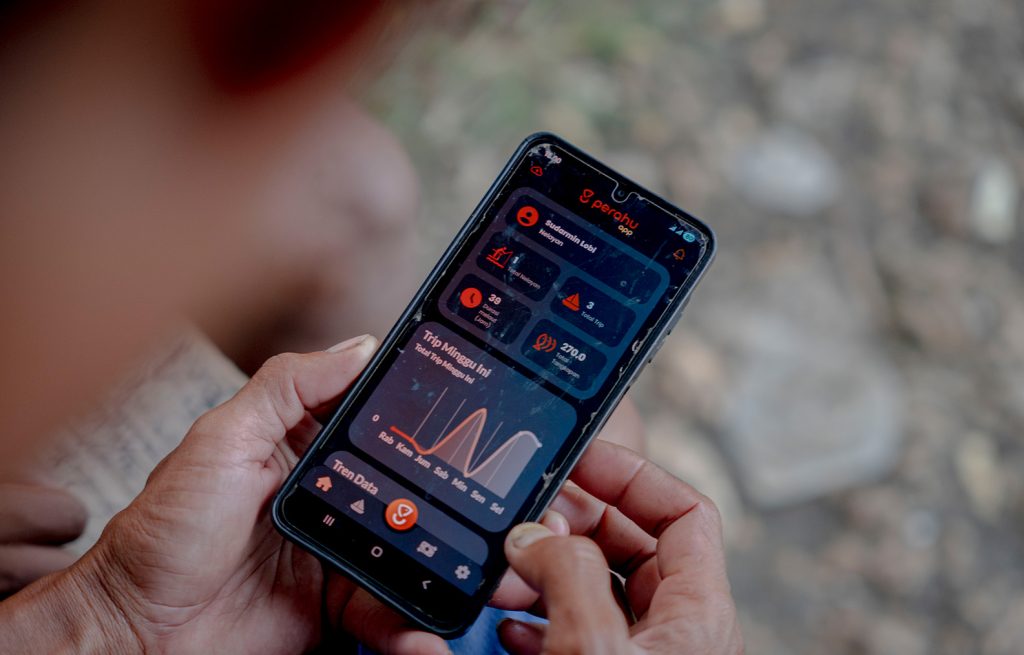
“Will the government make the same effort by ensuring us could access subsidized fuel fairly?” Moh asked. For fishers like Moh and Subair, securing accessible subsidized fuel holds just as much value as their daily efforts to maintain sustainable fish stocks.
The FCMC of nine provinces press the Central Government
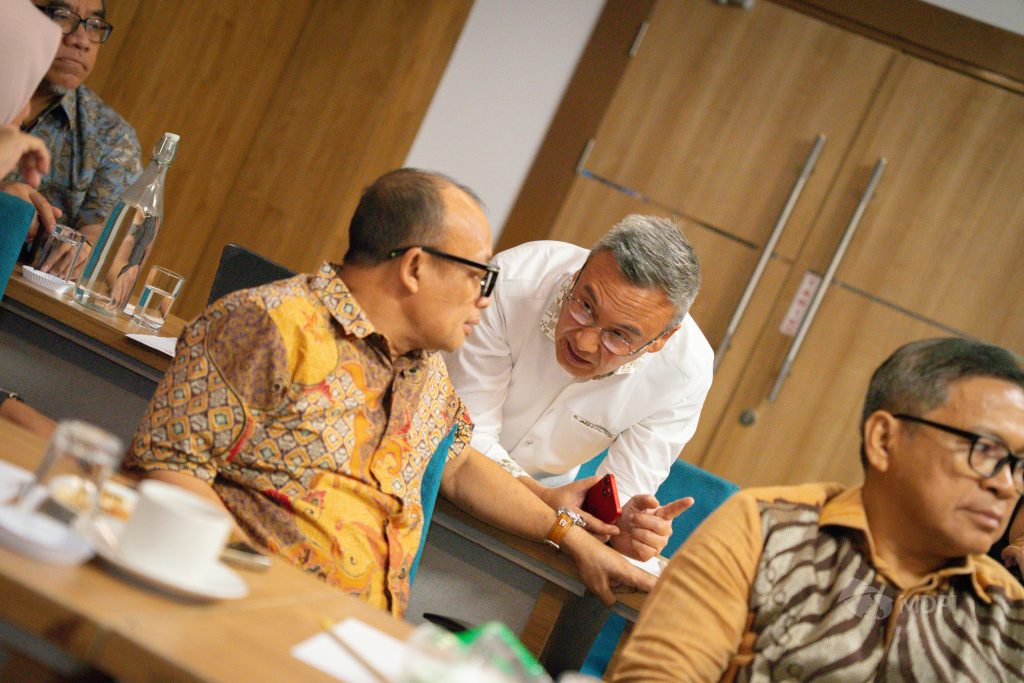
Challenges extend far beyond grassroots. The intense UPP-WPPNRI discussions subsequently highlighted issues surrounding data accuracy and catch quotas, which fall under the direct authority of Provincial and Central Governments.
Victor Solossa, representing the Southwest Papua Provincial Government, negotiated his region’s catch quota allocation.Officials determine quota allocations based on a region’s annual fish catch data. “We must reevaluate the calculations and data quality until we can accurately produce a specific tonnage for the quota allocation,” Solossa urged officials of the Ministry.
Echoing Southwest Papua’s concerns, MDPI Governance Coordinator Karel Yerusa highlighted the issue. “Fish data originates from provinces, so Gubernatorial Offices must rigorously provide accurate data. Meanwhile, the Ministry, assisted by universities, bears the responsibility for precise quota calculations. Both entities interconnect to ensure shared prosperity,” Yerusa responded.
Syahril Abdur Raup, Director of Fish Resources Management (PSDI) at the Ministry of Marine Affairs and Fisheries (MMAF), warmly welcomed the aspirations from the nine provinces. He bluntly acknowledged bureaucratic delays. “The PKKPRL (Spatial Utilization Activity Suitability Approval for Ocean/Marine Space) permit indeed remains a difficulty we face. We need to reevaluate the fish aggregating device (FAD) policy and map existing FADs,” he explained.
The South Sulawesi Marine and Fisheries Agency (DKP), representing the nine-province FCMCs, then submitted their position paper to the PSDI Director. “In this is what we have done and what we ought to do with the Ministry,” stated Sitti Masniah Djabir, Secretary of the South Sulawesi DKP.
Three main urgencies
The South Sulawesi DKP collectively championed Moh and Subair’s struggles, representing nine-province FCMCs. These nine provinces include South Sulawesi, Southeast Sulawesi, North Sulawesi, Gorontalo, West Nusa Tenggara, East Nusa Tenggara, Maluku, North Maluku, and Southwest Papua.
The nine-province FCMCs brought three issues of their fishers:
- FAD Complications: Fishers struggle with excessively complex administrative processes, such as the PKKPRL and FAD Permit. Consequently, unpermitted FAD installations remain widespread, triggering friction among fishing communities. The nine FCMCs urged the Ministry to implement a 12-to-15-month transition period and bring licensing services directly to fishing centers.
- Subsidized Fuel: Small-scale fishers, especially those who reside in remote islands, fail to access subsidized fuel due to exhausted quotas. The absence of affordable fuel force them to purchase non-subsidized fuel from resellers. The committee asked the government to improve the transparency of subsidized fuel distribution, increase quotas, build more fisher-specific (SPBUN) gas stations, and grant fuel sub-distributor discretion to small-scale fishers.
- Vessel Legality Bureaucracy: Fishers are hardly able to obtain legal vessel documents, such as the Small Boat Pass. This document allows fishers to operate in zones regulated in the policy which intersects with quota. Traditional fishers recommended cross-regional document relaxation so they avoid falling into policy pitfalls.
Syahril stated that his department will weave all these aspirations into the Annual Work Plan of the Directorate General of Capture Fisheries-MMAF.
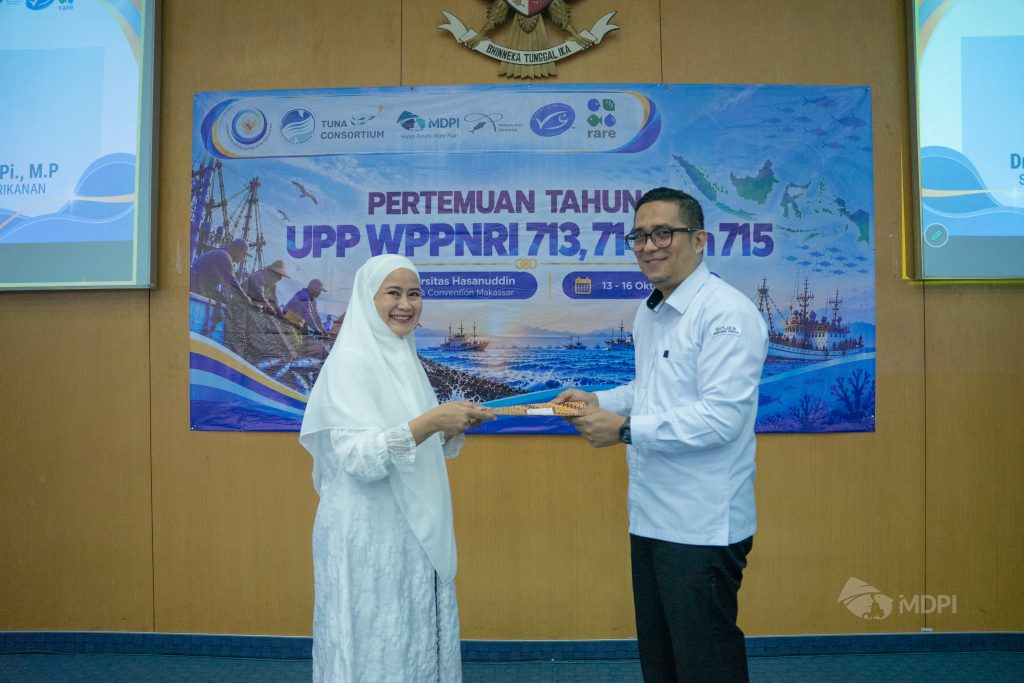
“What we do now concerns the fate of countless individuals. Many lives depend on this,” Syahril concluded at the end of the grueling three-day discussion. “Thank you to the Tuna Consortium and its members MDPI, the Indonesian Pole & Line and Handline Association (AP2HI), the IPNLF Indonesia Foundation, along with the Marine Stewardship Council,Rare Indonesia, and the WWF Indonesia Foundation, who helped facilitate this event.”
About UPP-WPPNRI 714, 715, and 716
The UPP-WPPNRI is an institution created by the MMAF to manage fisheries resources and ensure they remain sustainably productive. The institution executes three primary mandates: cross-sector coordination, data-driven decision-making, and quota-based fisheries resource management. Institutional participants encompass the central government, local governments, alongside fishermen and industry players like Subair and Moh.
Alongside key fisheries actors, research institutions, non-governmental organizations, and universities actively support these functions. During the 2026 UPP-WPPNRI Meeting, participating NGOs, included the Marine Stewardship Council, Rare Indonesia, and the Tuna Consortium—which counts MDPI as a consortium member.