
North Maluku FCMC Addresses Subsidized Fuel Scarcity and Disorganized FADs in the Province
- August 13, 2026
by Muhammad Alzaki Tristi
Ternate– About 91.3 per cent of small-scale fishers in North Maluku experience subsidized fuel scarcity. Meanwhile, 63.7 per cent must buy fuel from private retailers at hiked prices. The business increases operational costs and reduces fishers’ income.
Research Shows Fuel Governance Remains Moderate
A research by Khairun University and MDPI discovered this distribution issue. The study, titled ‘Analysis of Subsidized Fuel Economy, Distribution, and Purchasing Effectiveness in North Maluku’s Small-Scale Fishers” surveyed 300 fishers. The main finding reveals subsidized fuel remains in the moderate category, scoring a composite 51.22 out of 100 for distribution efficiency, delivery effectiveness, and economic productivity.
Fuel Scarcity Increases Fishers’ Operational Burdens
The surveyed sample spend an average of 15 days in a month to fish. On daily average, they run their small vessels 33 miles and consume 111.87 liters of fuel per trip. Hence this proves that fuel is a determining factor against fisher’s ability to go make income.
Scarcity is only one of a few problems in North Maluku fishers’ plate. About 73.3 per cent of fishers say stock information remains matted from gas centers. On top of it, 61.7 per cent face supply delays, and 55 per cent consider the fuel quota insufficient for their operational needs.
The increasing distance of fishing grounds also adds the burden. Unregulated, private-owned fish aggregating devices (FADs) spring all over North Maluku waters, restricting access to certain fishing grounds. This calls for a solution to fix FAD governance and supervision that indirectly embezzling the fuel stock.
FCMC Pushes for Improved Fuel Distribution and FAD Governance
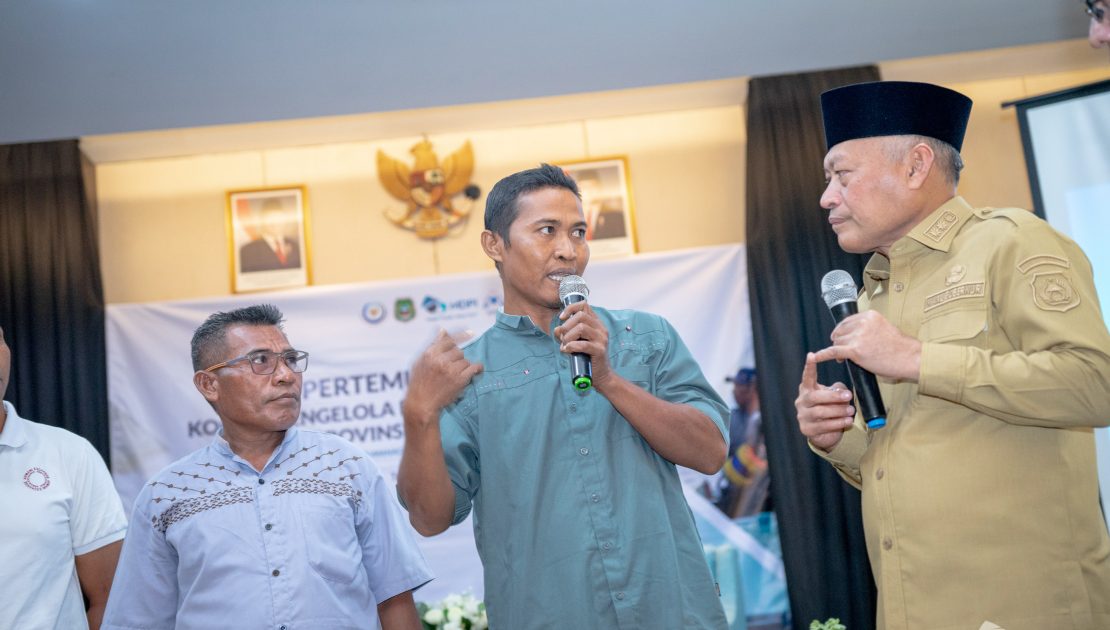
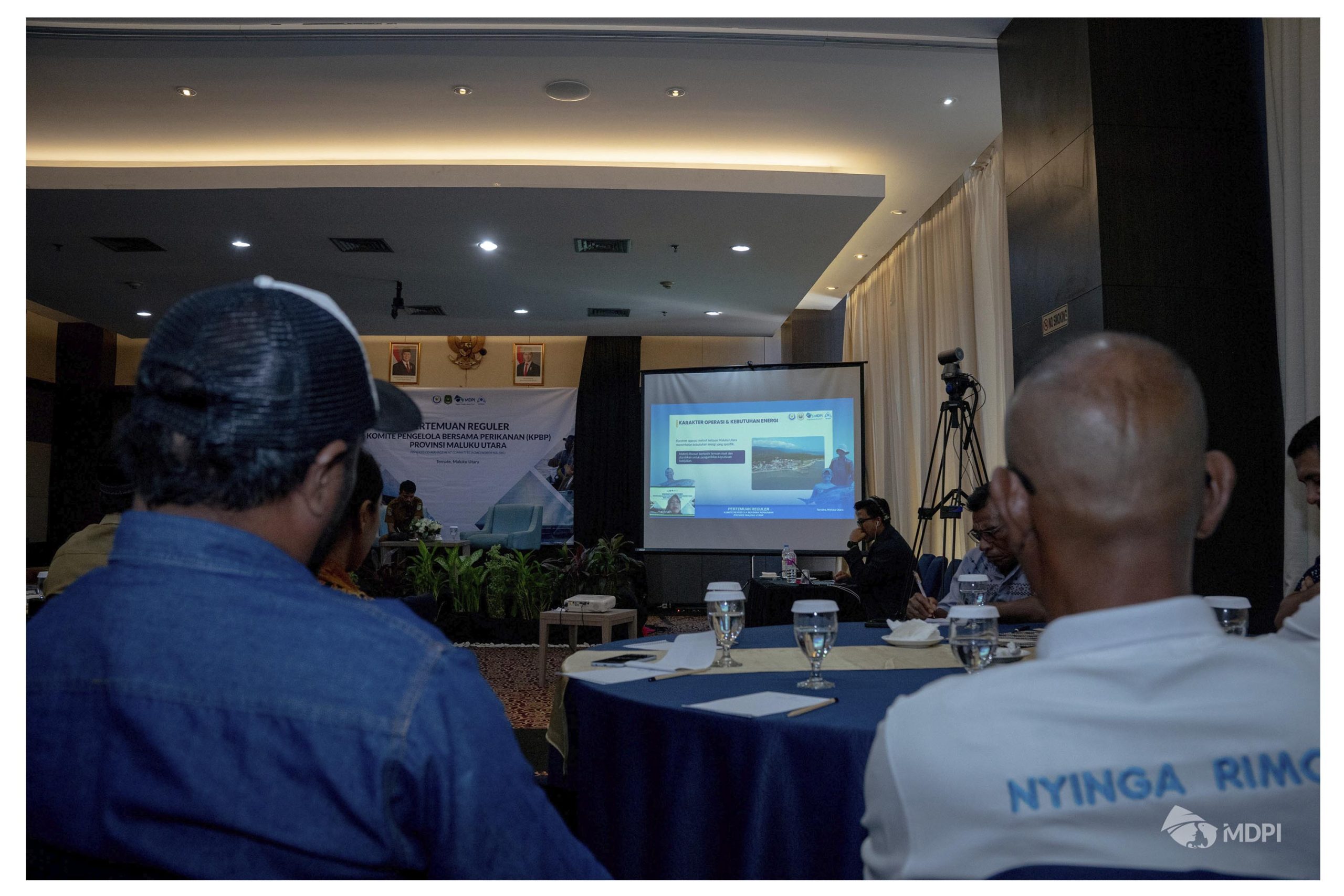
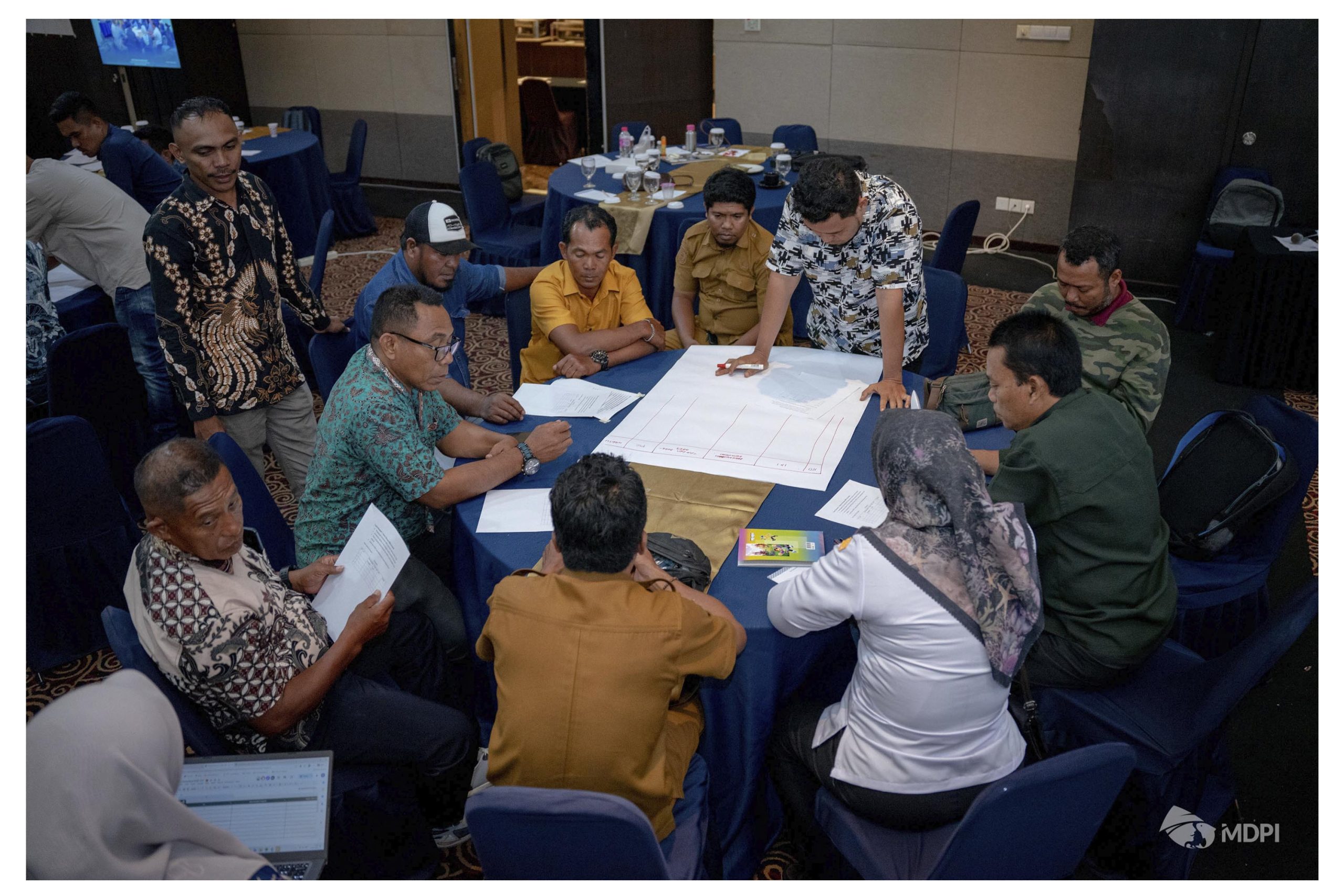
The 14th Regular Meeting of the North Maluku Fisheries Co-Management Committee (FCMC) winded on these issues, which took place at the Bela Hotel in Ternate on August 4. This forum brought together government officials, fishers, industries, academics, and NGOs. Stakeholders aim to improve subsidized fuel distribution and strengthen FAD governance to support a more sustainable tuna fisheries.
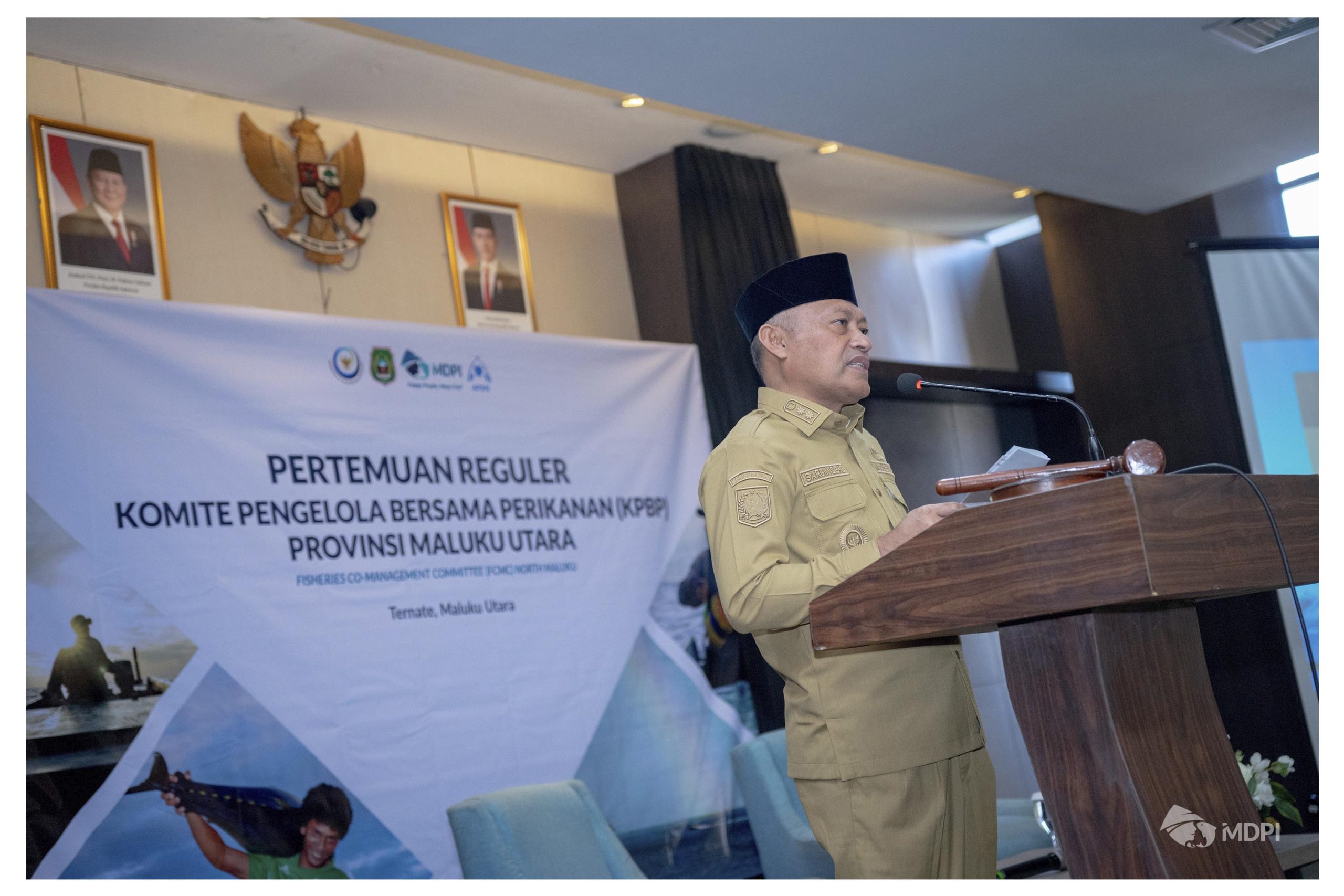
“In terms of logistics, subsidized fuel availability serves as the most fundamental operational component,” North Maluku Deputy Governor Sarbin Sehe said at the event. “However, the government still needs to improve its implementation. Authorities must optimize quotas, synchronize administrative document validity periods, and ensure consistent supplies at official distributors so fishers can access them directly without additional cost burdens.”
The Committee addressed FAD governance and supervision, a provincial issue, by collaborating with the Ministry. Stakeholders identified them as the most urgent problems in North Maluku’s tuna fisheries management.
By the end of the forum, the Committee drafted various improvement proposals:
- Refining X-Star system implementation.
- Increasing fuel supply certainty at public gas stations.
- Ensuring quota transparency.
- Ensuring stronger FAD supervision and regulation to prevent longer days at sea.
Fishers Push for Accessible Subsidized Fuel
Supriyanto Ali, a tuna fisher from Sangowo Village in Morotai District, hopes this forum can push solutions for the reduced subsidized fuel quota that affects his fishing activities.
“The government reduced our subsidized fuel quota in 2026,” Supriyanto Ali said. “Yet, fuel strongly determines operational continuity for us. We hope this forum can produce solutions that truly answer the problems on the ground.”
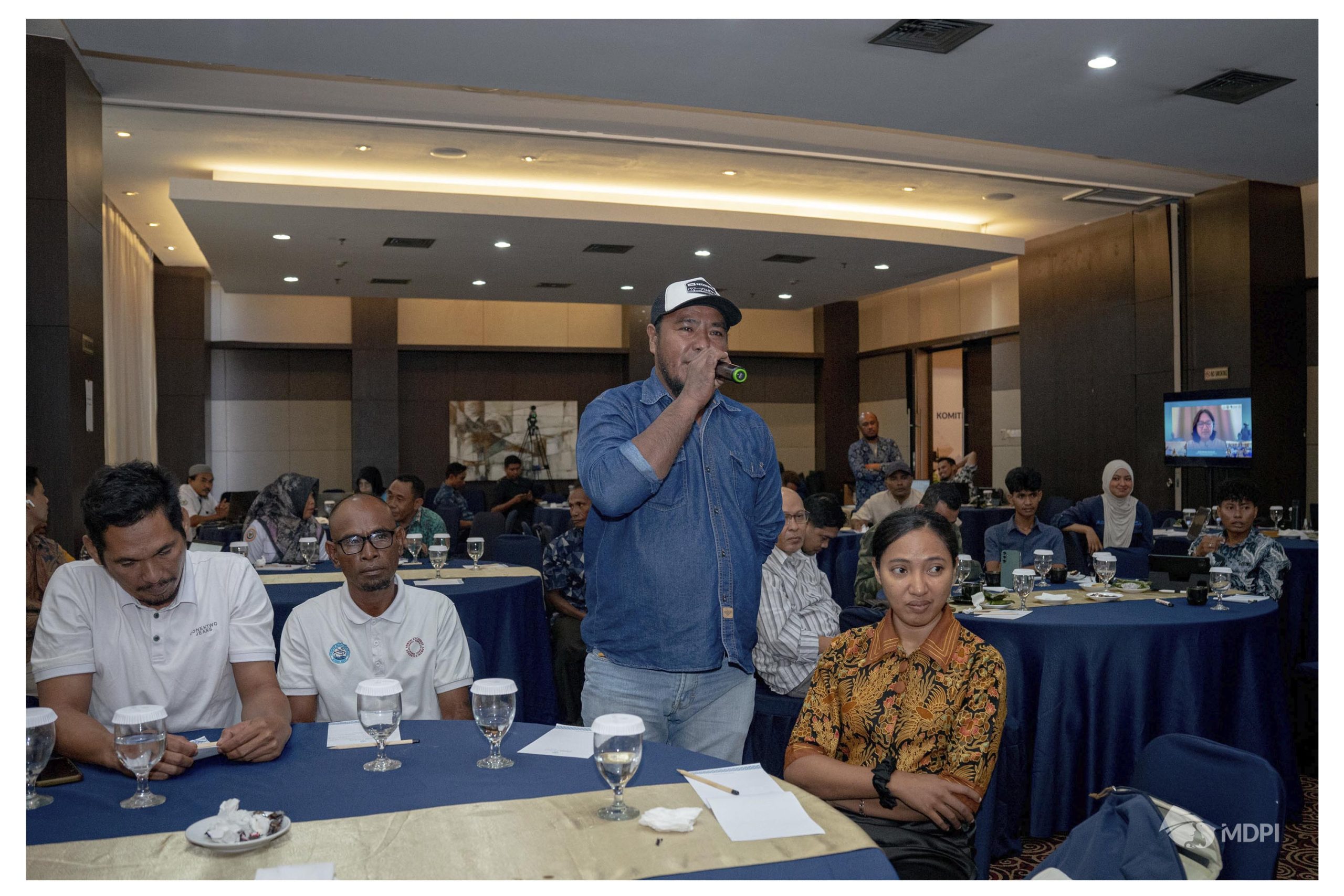
Echoing this sentiment, a fisher from Sula Islands District Khairudin requests the government for a slimmer bureaucracy for subsidized fuel. He also demands firmness in FAD placement regulations.
“We hope officials can extend the document validity periods,” Khairudin stated. “When fuel quotas become available, our documents often expire, preventing us from accessing the subsidized fuel.”
Action Plan for Improved Fisheries Governance
This year’s FCMC meeting aims to push a joint action plan in improving subsidized fuel distribution for small-scale fishers and FAD regulation. The Committee will submit these recommendations to the North Maluku Governor and relevant agencies, which will help officials refine tuna fisheries management policies.
“MDPI always sides with the welfare of small-scale fishing community,” MDPI Director Yasmine Simbolon said. “Through the FCM, we encourage a safe space for fishers to speak with government and stakeholders. We want them to formulate a concrete action plan regarding subsidized fuel access and FAD governance. These two issues connect with each other because the increasing distance of fishing grounds, caused by the proliferation of FADs, simultaneously increases fishers’ fuel needs.”
Through cross-stakeholder collaboration, organizers expect the FCMC to produce concrete recommendations and steps. These measures will ensure fuel subsidies hit their exact targets and increase fisheries productivity. Furthermore, they will support sustainable tuna fisheries management in North Maluku through adaptive governance transition policies.