
Awig-awig Sekaa Bendega for Bali’s Indigenous Coastal Community Legal Protection
- April 26, 2026
by Arroyan Suwarno & Muhammad Alzaki Tristi
On the eastern coast of Bali, specifically in Seraya Timur Village, the sea is more than just a landscape. It is a living space, a workplace, and a cultural sphere passed down through generations. The local fishers, known as bendega, have long managed the sea in their own way: sharing fishing grounds, maintaining social ties, and practicing traditional customs that align with the Tri Hita Karana philosophy.
However, they still lack a formal organization to represent them. The traditions and habits they have followed for years remain oral and have yet to be set down in written rules.
Amid the need for legal protection and institutional strengthening, MDPI, alongside the Bali Provincial Marine Affairs and Fisheries Office (DKP Bali), took a significant step:assisting in the drafting of awig-awig (customary laws) for the coastal community in Seraya Timur. This process shows as a significant cultural move, bridging ancient practices with the current legal system.
From an Unwritten Rules to a Legalized Bill
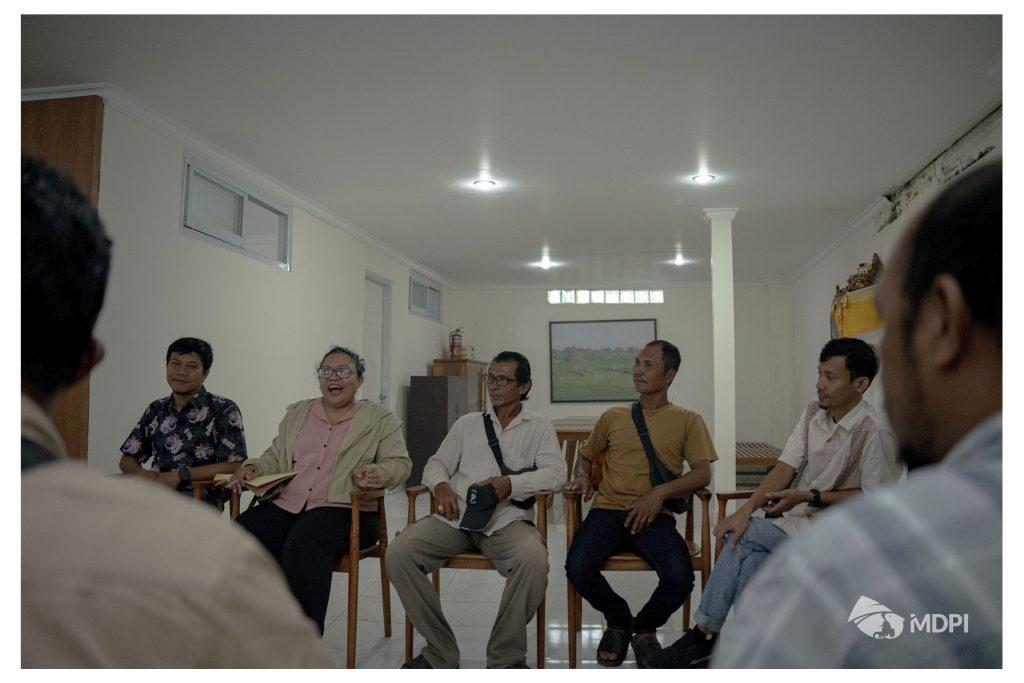
The fishing community, or Sekaa Bendega in local language, has operated under unwritten rules for generations. Informal agreements have preserved values of togetherness, territorial boundaries, and seafaring ethics. Yet, without written documents, their position often remains vulnerable in legal, economic, and resource management contexts.
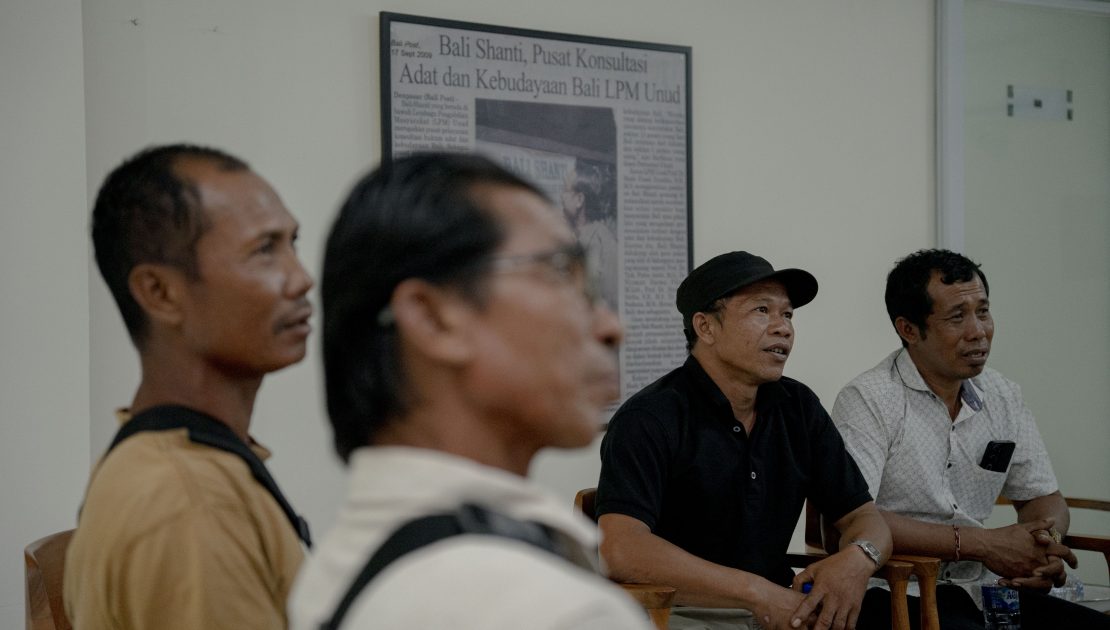
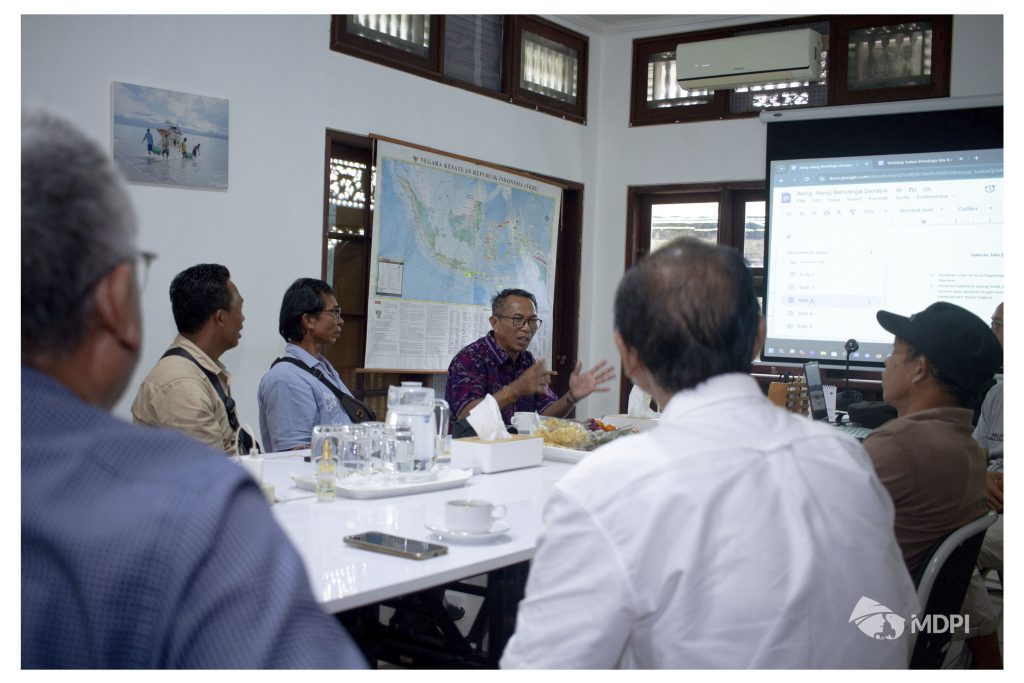
Through the “Awig-Awig Draft Meeting for the ‘Ida Bagus Bebotoh’ Sekaa Bendega” held on March 11–12, 2026, in Denpasar, stakeholders began to systematically organize the process. ‘Ida Bagus Bebotoh’ is the name chosen for Seraya Timur fishing communities by their ancestors generations ago.
For two days, prajuru (officials), bendesa (traditional village heads), and the drafting team assisted by MDPI and the Bali government sat together. They did more than learn about the structure of awig-awig; they began to pour their experiences, needs, and hopes into a customary legal document.
“These two days were full of joint discussions. As officials, we were heavily involved and incorporated the thoughts of our fellow fishers into the drafting of these laws,” said I Ketut Rasibawa, chairman of the Ida Bagus Bebotoh Sekaa Bendega. He added that while they had formed an initial draft, it would still undergo refinements before final approval.
The Lengthy Process Towards Institutionalization
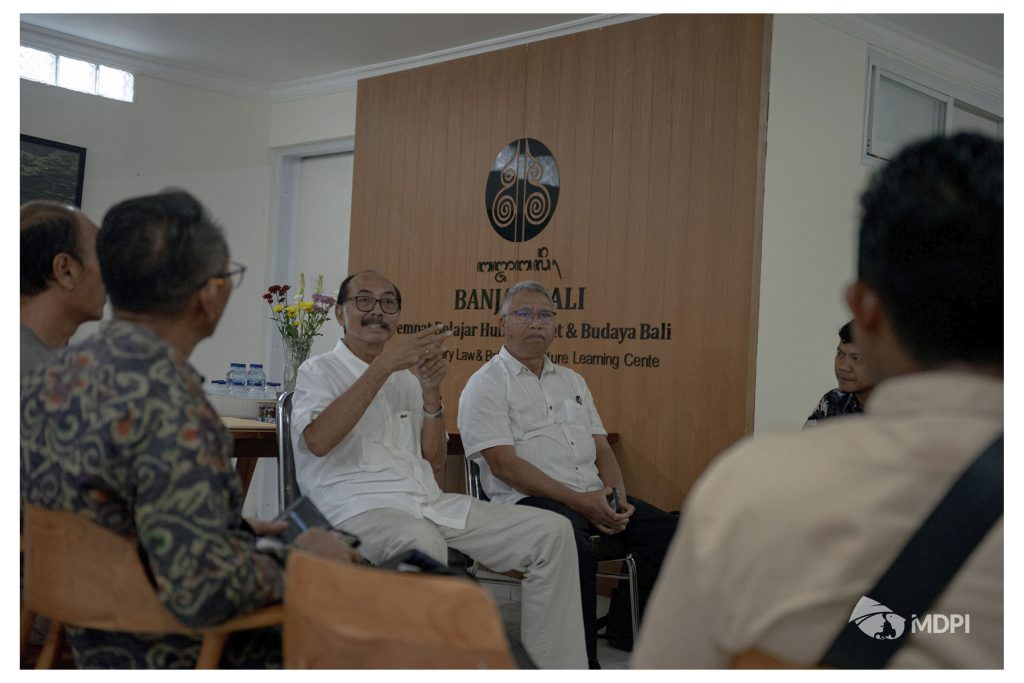
Drafting awig-awig is no quick task. It is a collective effort involving many parties, from the bendega and traditional village heads to customary law experts.
According to the Bendesa Made Salin, the journey toward the first draft alone was quite challenging. “The process of drafting this first version was quite tough and long. However, with the assistance of MDPI and the drafting team, we reached this stage much more effectively,” he said.
Overall, the drafting of these laws will go through seven stages: from initial consultations and team formation to phased drafting, public consultations, and final ratification. Each stage ensures the resulting rules truly represent the needs of the bendega while complying with both customary and state laws.
This is where expert roles become crucial. Dr. Wayan Windia, who participated in the process, highlighted the participants’ collective spirit. “The enthusiasm of the fishers present was extraordinary. With an effective official structure, this first stage of drafting became more efficient and proceeded smoothly,” he explained.
Beyond Passing the Bill
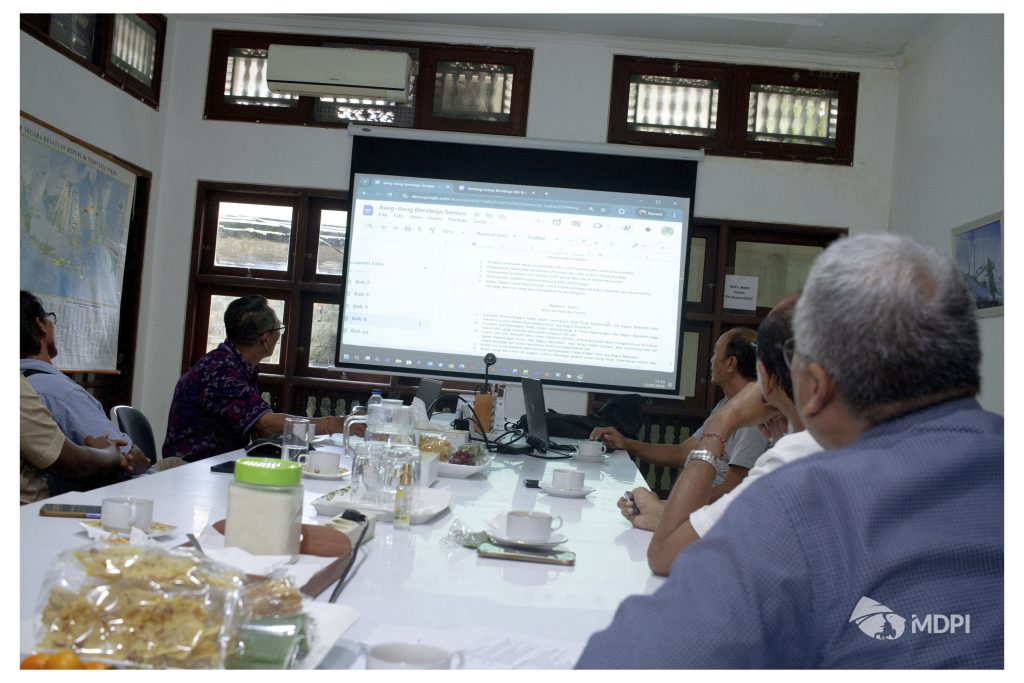
For MDPI, awig-awig is more than just a final product; it is a tool for transformation.
“Awig-awig is important so that the sekaa bendega is recognized by both custom and the government. It also serves as a unifying tool to address social, economic, cultural, and environmental issues sustainably,” said Nilam Ratnawati, MDPI Community Development Lead.
She added that this initiative is a first in Bali: written bendega awig-awig drafted using both legal and customary standards simultaneously.
The process continues, moving into the document-drafting phase by the legal team before being tested through public consultation and officially ratified.
A Pilot Project to Protect Bali’s Traditional Fishing Communities
The steps taken by the Ida Bagus Bebotoh Sekaa Bendega are not only important for their own community; they also pave the way for other bendega in Bali.
Until now, although regulations such as Bali Provincial Regulation No. 11 of 2017 have recognized the existence of bendega, no sekaa has yet fully utilized the opportunity to gain formal legality.
This initiative could become a pilot project—a tangible example of how bendega institutions can strengthen themselves without losing their cultural roots. Amid the challenges of modern fishing, from market pressures to resource sustainability, awig-awig can provide a vital foundation: ensuring the sea remains healthy and the bendega remain sovereign over their lives.
And perhaps, from a simple meeting room in Denpasar, a new history is being written, line by line, by those who have always lived from the sea.