
Life as Vanguards: The Trials and Triumphs of Coastal Field Workers
- June 19, 2026
by Ida Ayu Adnyani
This article is a reflection by MDPI’s HR & GA Coordinator on the organization’s performance on the ground. Written from the perspective of a human resources practitioner, it is tailored for both the general public and MDPI’s internal community.
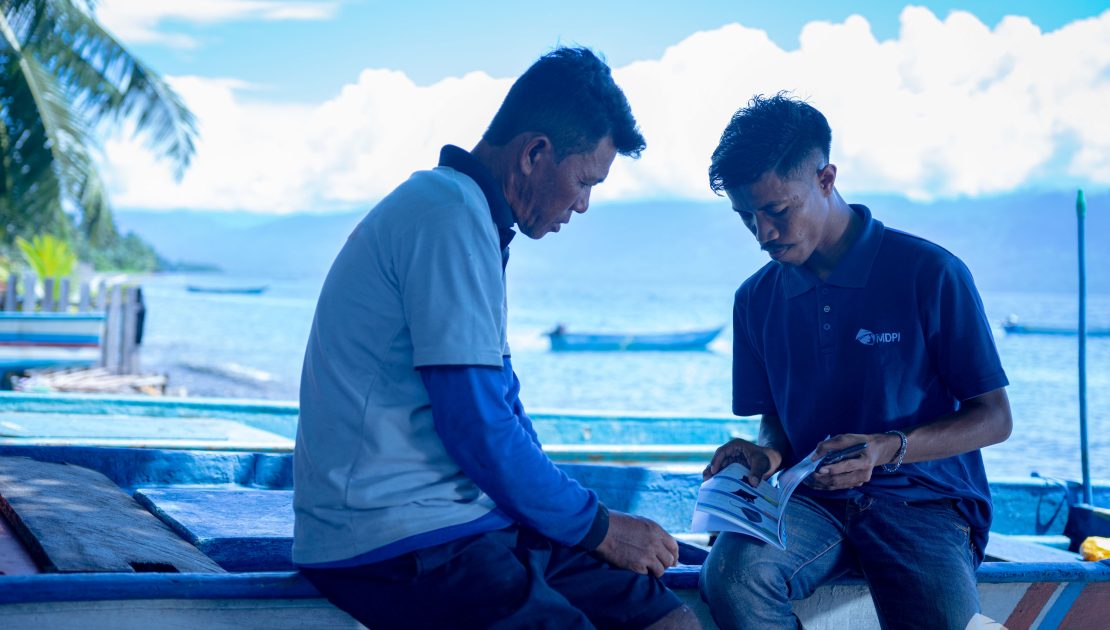
Umar Papalia, a traditional fisher from Buru Regency in Maluku, once harbored a deep and bitter skepticism. To him, non-government organizations (NGOs) were entities that existed to exploit communities for their own agendas. That crisis of trust ran deep—until 2013, when a chance encounter with MDPI slowly changed everything. Through the practical implementation of Fair Trade USA standards, Umar began to see tangible, life-changing results.
“At first, I was reluctant to follow the Fair Trade USA project introduced by MDPI’s field staff,” he recalled in the documentary Temali (2024). “But after seeing the outcomes, I realized this project is really helping us. We were able to buy stainless steel knives, boat engines, and even set up education savings accounts for our children.”
Umar’s story is the fruit of the on-the-ground work of field staff; on how staff engage with communities to realize that some projects were made to help. Behind the crashing waves and biting sea winds, these workers do not arrive just to tick boxes, fill logs, or harvest data. They are our passionate links who carve out shared stories, laughter, and hope alongside coastal communities.
Empowered, Inspiring, and Constantly Evolving
When stepping onto the shores of a remote coastal village, MDPI’s primary mission is empowerment. The team does not just dole out theoretical knowledge; they open doors to vital information and infrastructure upgrades. They sit down with coastal communities, record catches, and build community groups designed to anchor local resilience against unpredictable socio-economic tides.
This process is inherently daunting when facing the daily fatigue of hardworking fishers. Field staff must constantly find new ways to inspire, nurturing a grassroots optimism that collective action can overcome systemic limitations.
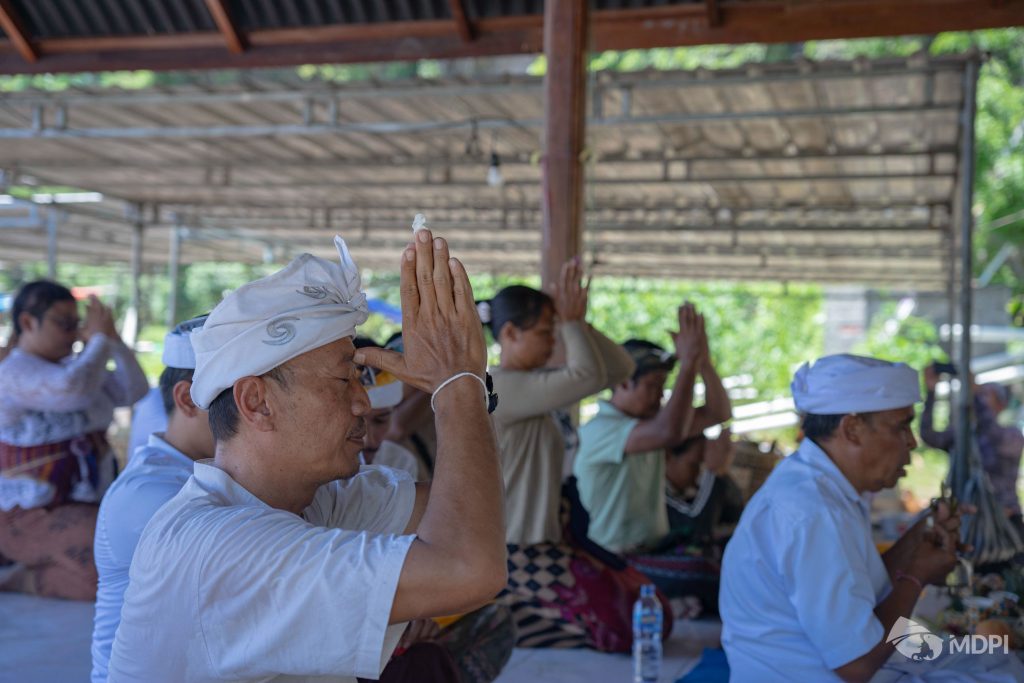
Nature and local culture also shape the staff, forcing them to adapt and grow. They learn local dialects, adapt to local traditions, and pivot their strategies accordingly. In East Seraya, Bali, for instance, fisheries improvement initiatives were woven into the local concept of bendega (traditional fishing community values) to ensure cultural acceptance and seamless adoption.
When these adaptive approaches bear fruit, the sense of fulfillment transcends monetary value. When staff watch a once-struggling fishing family gradually stand on their own, it felt like winning. Witnessing these quiet victories fuels our collective mission; MDPI’s field staff are driven not by a paycheck alone, but by a profound sense of pride in seeing the data, the impact, and the blooming independence of the communities they serve.
Challenges
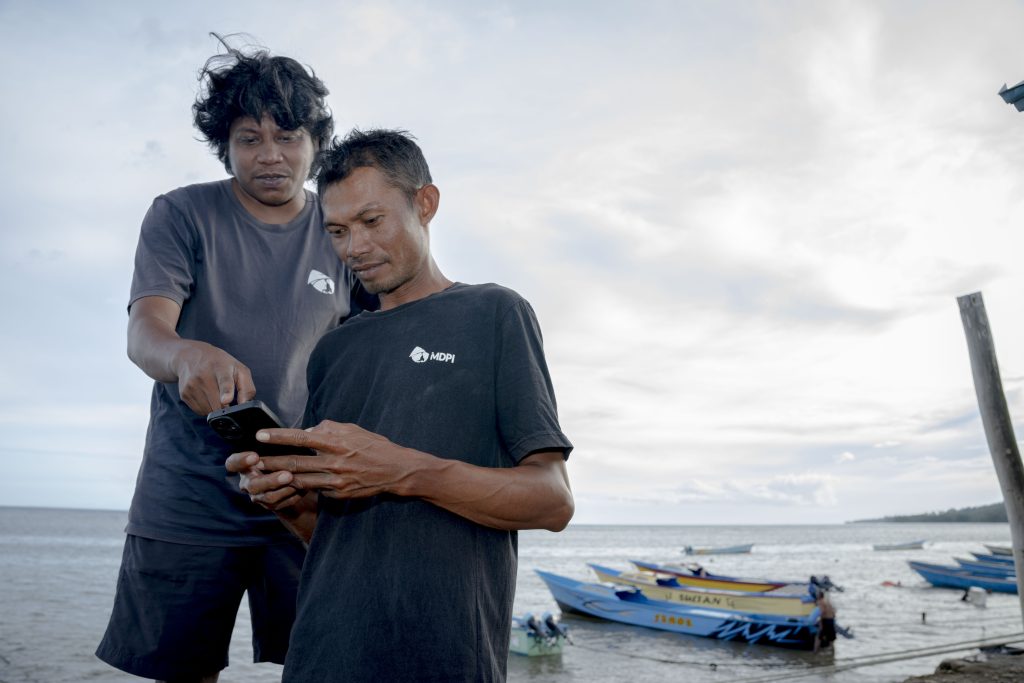
We have come to learn that a field worker’s devotion goes far beyond visible physical hardships. Beneath the surface lies a quiet matrix of psychological and emotional challenges:
-
Emotional and Social Pressures: Field staff frequently find themselves playing the role of mediators in local disputes between local communities or factions. Carrying the organization’s banner requires absolute neutrality, which often carries a heavy emotional tax when exposed to localized friction.
-
The Expectation Gap: Coastal communities often view field staff as catch-all “problem solvers,” a perception that can breed unrealistic demands. Staff must master the delicate art of managing these expectations wisely—drawing clear professional boundaries while maintaining empathetic, effective guidance.
-
Isolation and Disconnection: Living far from family and familiar comforts demands an immense psychological resilience. Workers must learn to navigate profound loneliness and actively build support networks among fellow staff and the host communities.
-
Upholding Trust: As the face of MDPI, every single field worker represents the entire organization. Maintaining impeccable conduct and a high work ethic is not just a requirement; it is our most vital currency.
Tips and Advice for Field Staff
To navigate these hurdles effectively, field workers must actively regulate and safeguard their own well-being:
-
Prioritize Your Mental Health: Dedicate time for rest, personal hobbies, or checking in with loved ones. Engaging in non-work activities is essential to protect one’s emotional equilibrium.
-
Cultivate Internal Support Networks: Our field staff form a cohesive ecosystem. Sharing personal anecdotes, shared hardships, and small victories builds a fortress of collective resilience.
-
Celebrate Small Wins: Do not fixate solely on monumental, long-term goals. Taking a moment to appreciate individual and team milestones keeps the motivational fire burning.
-
Enforce Professional Boundaries: While it is natural to become part of the close-knit fishing community, establishing healthy boundaries is crucial to maintain objectivity and prevent emotional burnout.
-
Guard Public’s Trust Unwaveringly: The trust placed in us by coastal communities, donors, partners, and the public is our most sacred asset.
An Ode to Our Vanguards
For nearly 13 years, MDPI has walked alongside coastal communities, anchoring its work in trust and warm, relational commitment. This familial approach has sparked a profound paradigm shift: how fishing communities can grow out of being the objects of sustainable development, into the subjects of their own narrative.
This story is born out of a seamless synergy—akin to an archer and an arrow, or the thrower and the spearhead. The foundation acts as the guiding hand, setting the strategic trajectory and vision; field staff are the sharp tip of the spearhead, diving directly into the heart of the communities. To stay sharp and accurate, this spearhead requires constant sharpening through institutional support, proper training, and unyielding trust.
We owe an immense debt of gratitude for the dedication and grueling effort poured into this mission. Let us keep moving forward toward our ultimate aspiration: a future where fishing communities stand entirely independent. True success is not measured by how long we can hold them up, but by the moment MDPI transitions from a necessary guide into an equal partner to an empowered coastal community.