
Hope in a Sick Ocean: The Resilience of Waelihang Fishers
- November 19, 2025
by Putra Satria Timur, Asis Buton, Halid Sanahuyo, and Rajab Tasane
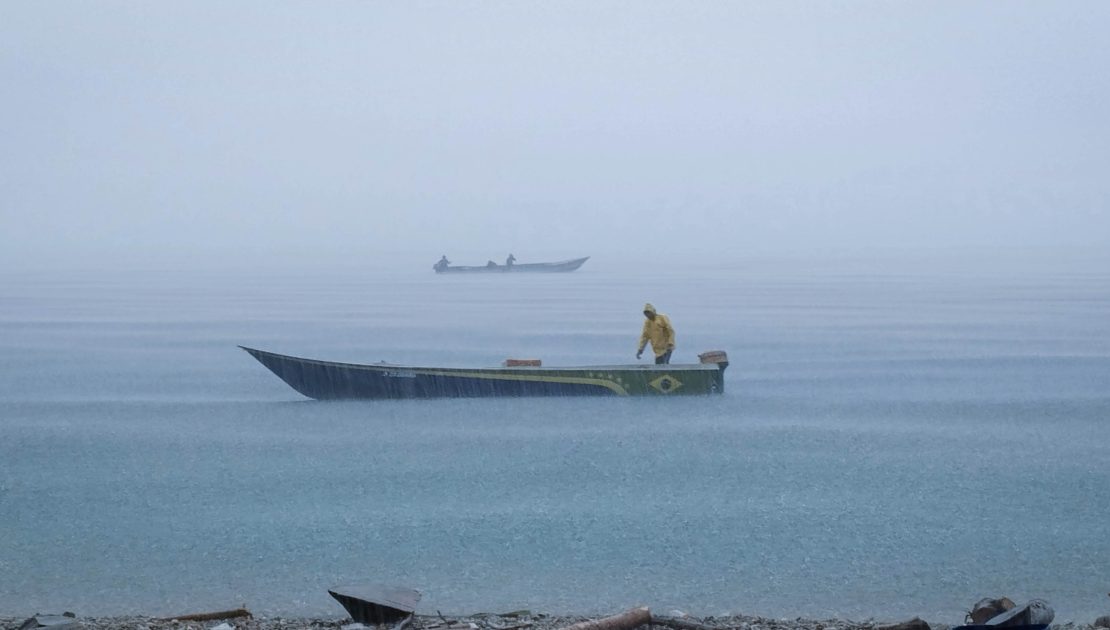
Heavy rain lashed the coast of Tanjung Karang that afternoon, the water cascading toward the shoreline to mix with waves that relentlessly scraped against the sand. Oblivious to the chill, children ran and swam in the surf, their laughter the only sign of life beneath a leaden sky—a stark contrast to the silence of the emptying sea before them.
———–
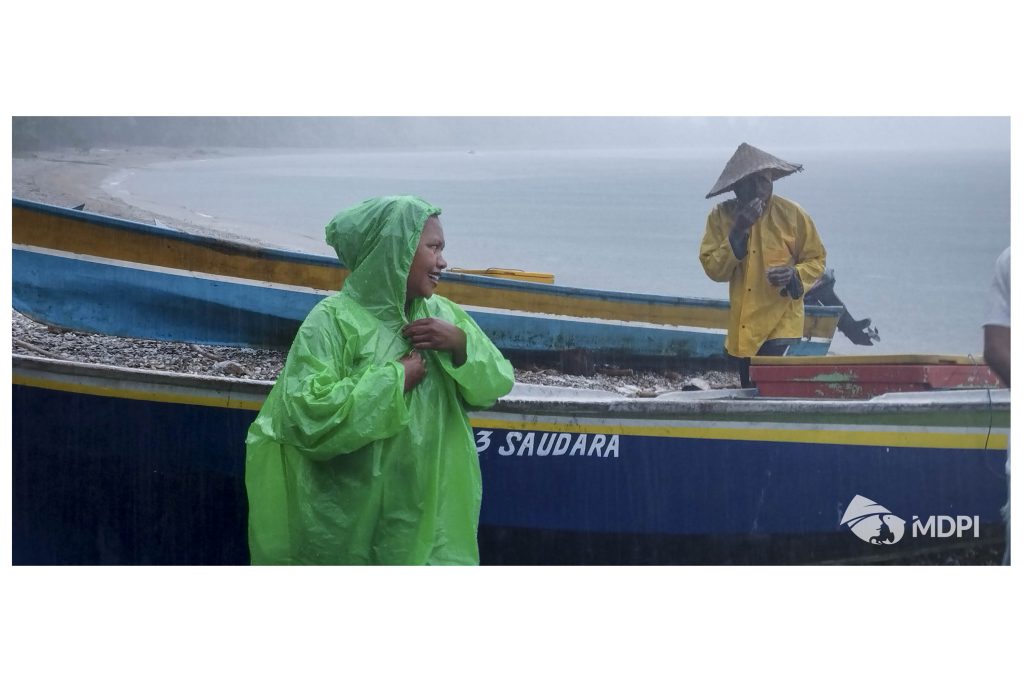
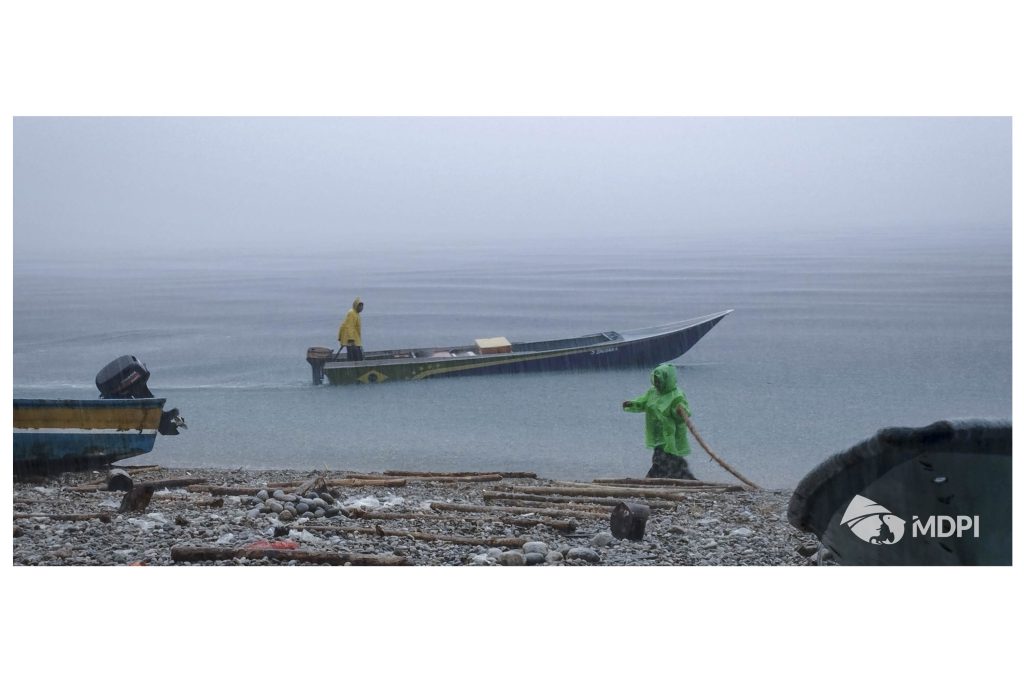
From the distance, a small boat approached the beach. A woman in a raincoat hurried out of a humble shack, arranging two-meter wooden logs—known locally as langgi—to help her husband’s vessel make landfall.
Inside the boat, there were only two boxes containing ice and a handful of small fish.
“Enough for today’s meal and to replace the fuel,” the fisher said, offering a weary but kind smile. His wife welcomed him with cold hands but a warm heart.
Beneath the pouring rain, they pushed the boat ashore together—a scene that looked less like a daily routine and more like an act of defiance.
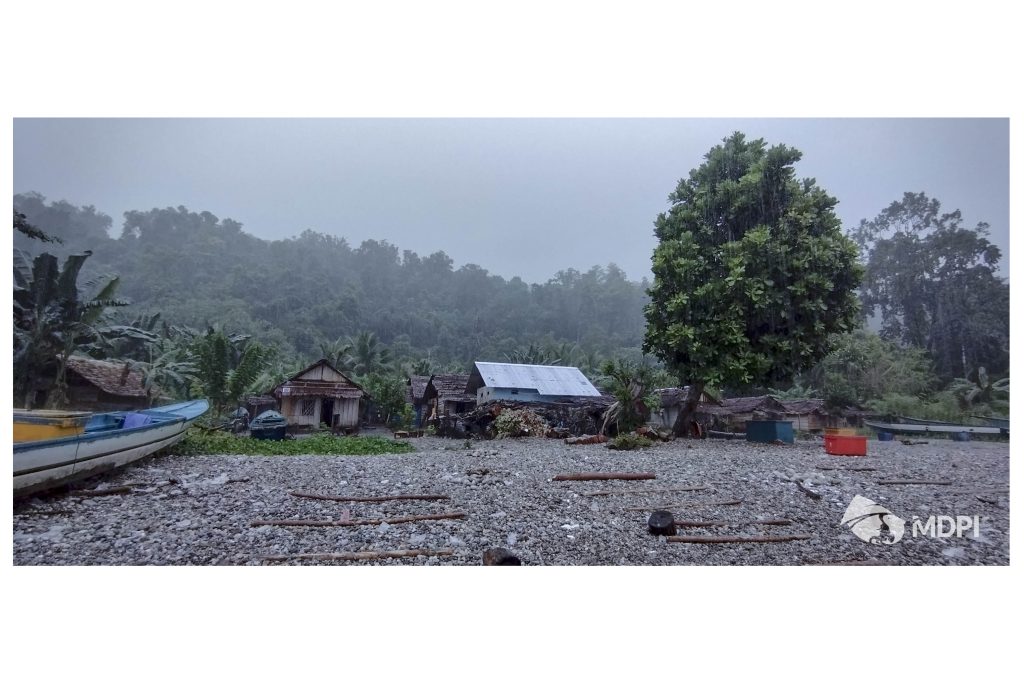
Soon, other boats arrived also with meager catches and forced smiles. Returning without big fish has become the norm for the fishers of Waelihang Village.
Once, this community was renowned for its tuna bounties. Elders recall reading the movements of dolphins to locate schools of fish. Today, the ocean loses its signs.
“Never mind big tuna, even small tuna won’t take our bait,” said Rustam Tuharea, a fisher from the neighboring area of Waprea. “They took the juveniles. The small ones may not have space to grow.”
He points to the culprit: FADs, which have multiplied without control across the waters. Many are illegal, acting as magnets for fish that large-scale industrial purse seine vessels would sweep away.
Small-scale fishers are reduced to spectators, often chased away if they dare to approach the industrial grounds.
Leaving Home to Rebuild Hope
It was this scarcity that forced many Waelihang families to migrate to Cape Tanjung Karang. On this new stretch of land, they constructed makeshift settlements from wooden boards and palm leaves, lit only by feeble solar panels. There is no electricity grid here, but hope still flickers.
To keep their children in school, families endure separation. The children remain in the home village with grandparents, hitching rides on open-bed fish trucks to visit their parents on weekends. When they arrive, the settlement briefly comes alive, the children’s laughter masking the deep sense of loss their parents carry.
Breaking the Chains of Debt
Amidst the hardship, these fishers have found a lifeline. Guided by MDPI, they formed a Fair Trade USA fishing group, realizing that collective action was their only defense against despair.
They established the Latamiha Indah Bersatu Cooperative. Starting with small capital raised from chipped-in savings and meager profits, the cooperative now funds land rental, fishing gear, and even a small processing plant to maintain fish quality.
The road was rocky—once, ants and termites destroyed their entire logistics stockpile in the plant while they were away for the Eid holidays. Yet, they persisted. Slowly, they transitioned from being mere equipment buyers to fish collectors, a role previously monopolized by large suppliers.
“In the past, middlemen determined the fish price. We never calculated, nor they have told us our remaining debt,” said Ismail Liem, a cooperative administrator. “Now, we determine the price. The fishers hold the control.”
Today, the cooperative buys not only from its members but also from outside fishers, operating on a simple principle: small profit is better than none, especially when it is consistent.
From Poachers to Protectors
As economic independence grew, so did environmental stewardship. The fishers began recording catches in logbooks, legally registering their vessels, and incentivizing discipline among members.
Those who once hunted turtle eggs have become guardians of the beach. They now remind one another of the importance of protecting endangered species like turtles, dolphins, and sharks—not out of fear of the law, but from a newfound understanding: the ocean will not provide if it is endlessly exploited.
This awareness extends to social welfare. The group sets aside profits to pay for government employment insurance. The benefit is limited, but it acts as a vital safety net for lives spent gambling with the waves.
A Teetering Ocean and a Striving Community
One afternoon, a fisher returned with a rare prize: a large tuna weighing around 40 kilograms. As it was sold to the cooperative, the shed erupted in cheers and relieved laughter. For a moment, hope felt tangible—a sign that the sea was not yet empty.
Soon, reality starts to hit. The fish are fewer, the sizes smaller, and the industrial FADs continue to multiply.
Rustam spoke again, his voice soft, sounding almost like a prayer.
“Imagine if the fish were plentiful like before. With our current capabilities, we could be more prosperous, more conscious of guarding the sea,” he said.
“FADs are important, but if there are too many, the ocean won’t survive. The ocean is currently sick.”
Staring at the blurred horizon, he added a quiet final thought.
“We don’t just need help on land, we need ‘medicine’ at sea—regulations that side with small fishers. If that happens, maybe one day this sea won’t be so lonely.”